
Poker Hands
A poker hand is the best five-card combination a player can make, and hands are ranked by how rarely they occur. From highest to lowest, the standard order is: royal flush, straight flush, four of a kind, full house, flush, straight, three of a kind, two pair, one pair and high card. The rarer the hand, the higher it stands. The order is not a convention someone chose; it is a count.
2 entries. Latest shelved 27 Oct 2026.
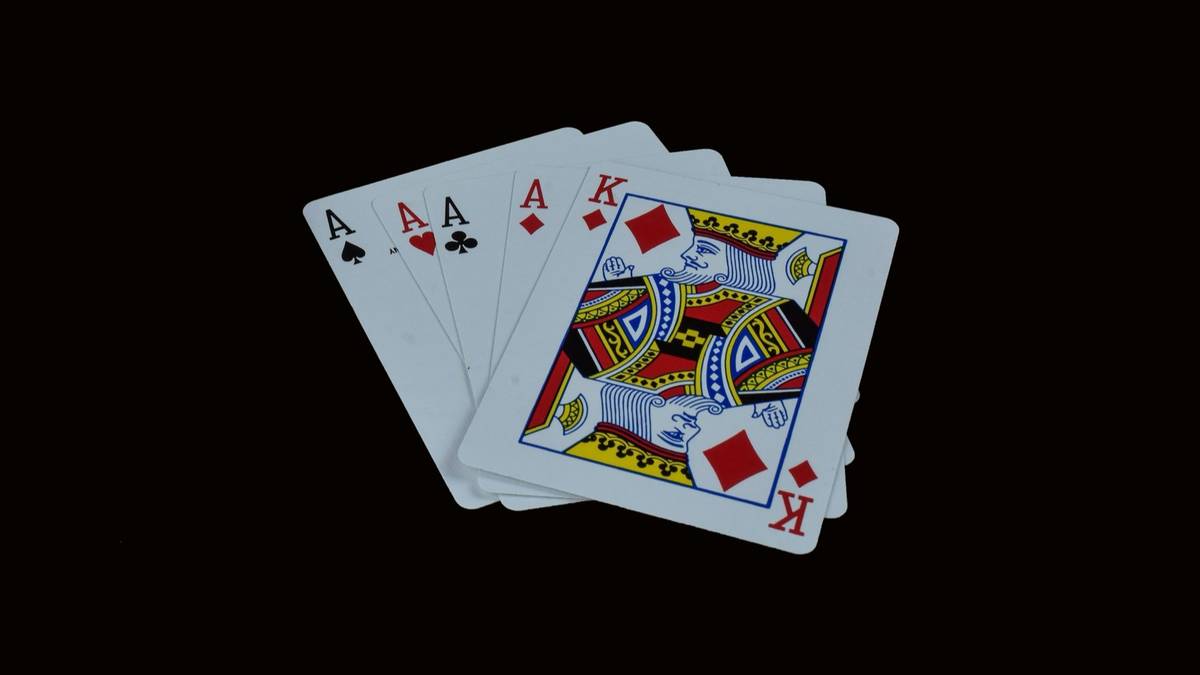
Photo: Douglas Miller on Pexels
- PH·C273
3 Card Poker Hands Ranked: Why Straights Beat Flushes
Three cards flip the usual order: 720 straights against 1,096 flushes. The hand ranks, the ace's two ends, and what Pair Plus tables cost.
By Play Trump Casino Reading Room, shelved 27 Oct 2026
- PH·P651
Probability of Poker Hands: How the Counting Works
Why a royal flush runs 1 in 649,740 and one pair 1 in 2.37, how flushes are counted, and why seven-card Hold'em keeps the same order.
By Play Trump Casino Reading Room
Why are poker hands ranked in this order?
Because of combinatorics. A standard 52-card deck can be dealt into 2,598,960 different five-card hands. Only four of them are royal flushes, which is why a royal flush comes along about once in 649,740 deals. One pair, by contrast, turns up in a little over four hands in ten. Each step down the ladder is a hand that can be made in more ways.
How do ties between hands of the same rank work?
Within a rank, the higher cards decide. Two flushes are compared card by card from the top. Two full houses are compared on the three of a kind first, then the pair. Suits never break a tie in standard poker: two identical hands in different suits split the pot.
Does the order change in other games?
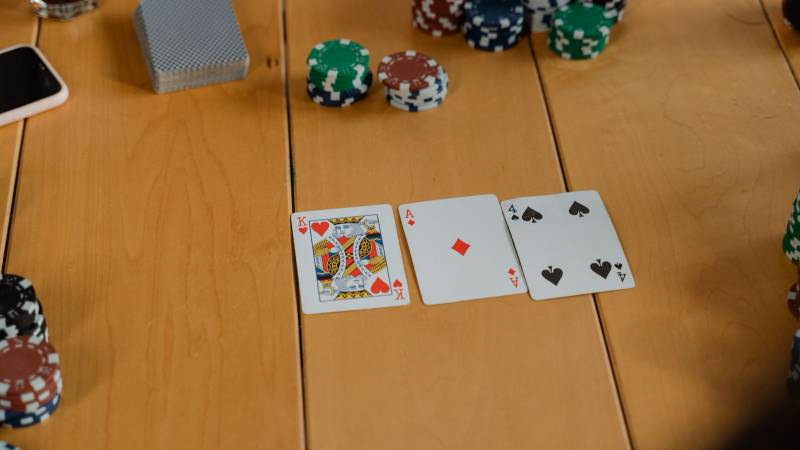
Sometimes, and for the same reason it holds elsewhere. In Three Card Poker there are only 22,100 possible hands, and with three cards a straight is harder to make than a flush, so the straight ranks higher. In seven-card games such as Texas Hold'em, the player keeps the best five of seven, and although the frequencies shift, the standard order survives. Lowball games invert the ladder entirely.
How does the reading room shelve this subject?
Each entry takes one game or one question about the rankings and works the count from first principles, so the reader can see where a figure comes from rather than take a table on trust. Where a ranking affects what a casino pays, we follow it into the paytable.
Where should I begin?
Start with the probability of poker hands, which derives the whole ladder for five and seven cards. Then read 3 card poker hands ranked for the game where the order flips. For what those counts mean at the table, the shelf on poker odds continues the story.