A live dealer casino game looks like it's coming from a gaming floor in Monaco or Atlantic City. It's not. Most of the time, it's coming from a studio in Eastern Europe or Asia. I'm going to walk you through how this operation works because it's not complicated, but the infrastructure is specific.
Live dealer studios operate under gaming licenses issued by jurisdictions that want the revenue. The major ones: Malta (MGA license), UK (UKGC), Curaçao eGaming, Romania, Georgia. The operator sets up a physical location with tables, cameras, dealers, and connection infrastructure. The dealer sits in front of a camera. The player sits at home. The player sees the dealer's hands and the table in real time via video stream. The dealer sees the player's bets come through on a monitor.
The Geography of Live Dealers
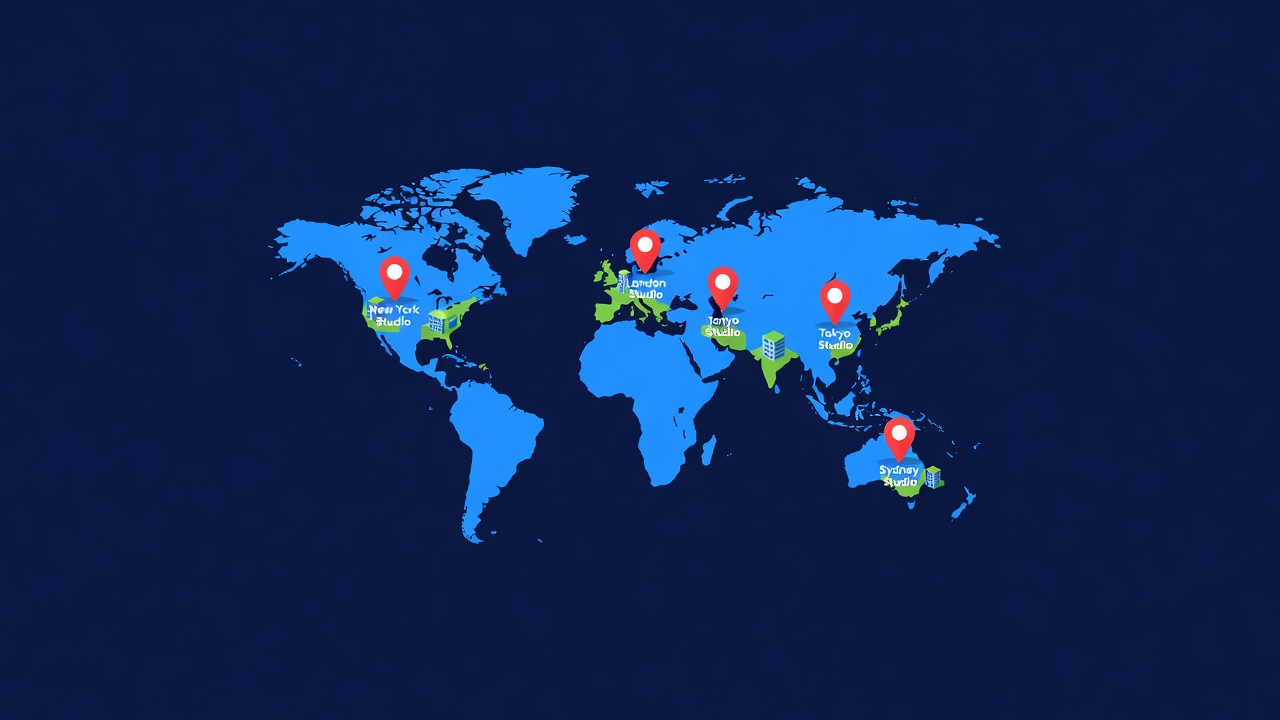
Licensed operators run studios in Riga (Latvia), Bucharest (Romania), Sofia (Bulgaria), and Malta. DraftKings, Bet365, PokerStars all have their own studios or rent space from providers like Playtech and Evolution Gaming. The reason: labor costs. A trained dealer in Riga costs roughly half what you'd pay in Las Vegas, and the regulatory environment is stable if you've got the right license.
Some operators rent studio space from aggregators like Pragmatic Play, which operates the studio and streams games to multiple operators. The game interface is white-labeled. The player thinks they're playing at Operator A, but Operator A is renting the infrastructure from Pragmatic. The dealer doesn't care who the player thinks they are. The deck is shuffled the same way.
Time zones matter. A studio in Manila serves Asian players during Manila daytime. A studio in Riga serves European and North American players during European evening. Studios run shifts. The workflow is standardized: shuffle, deal, announce the hand, process the bet, pay or collect. It's like a call center, except the agents are dealing cards and the script is probability.
How the Technical Chain Works
Your video stream is encrypted and compressed. It travels from the studio to a content delivery network (CDN), then to your browser. Lag is typical and disclosed: expect 3 to 7 seconds of delay between your action and the dealer's response. This delay is structural, not a flaw. It protects against edge-case exploits where a player with a faster connection might react to information the dealer hasn't processed yet.
The Random Number Generator (RNG) sits on the operator's server, not in the studio. When you place a bet, the RNG has already determined the outcome before the dealer's hand even moves. The shuffle you see on camera is for authenticity, not information. The deal is choreography around an algorithm. Poker is different; the RNG runs in real time and the outcome genuinely depends on the community cards and your hole cards. But baccarat, roulette, blackjack: the RNG runs first.
Compliance. Every transaction is logged. Every hand is recorded. Regulators in Malta, Romania, and the UK conduct audits. The studio is under surveillance from multiple angles. This is not wild-west gambling; it's a regulated operation with audit trails and licensing fees.
The Player's End
You need a stable internet connection. Mobile or desktop, it doesn't matter as long as bandwidth is sufficient. You log in, see the lobby of available games, choose a stakes level, sit down at a table. If the table is full, you wait. If you want to quit, you close the window. The dealer doesn't know you or care. They'll be dealing to someone else in thirty seconds.
The dealer is following a script, sort of. Smile, deal, announce the hand, thank the player for their bets. A good dealer develops a rhythm. A bored dealer looks bored. But the underlying transaction is the same: the house edge is baked into the payout structure, the RNG has already decided what cards appear, and the studio infrastructure ensures that 50,000 players across the globe can feel like they're in the same room when they're not even on the same continent.
That's how the system actually works. It's not sinister. It's efficient.