Since approximately 2016, licensed gaming operators in multiple jurisdictions have reported increased slot play frequency among a specific demographic cohort: males aged 18-35 who consume streaming video content. This correlation warrants formal analysis.
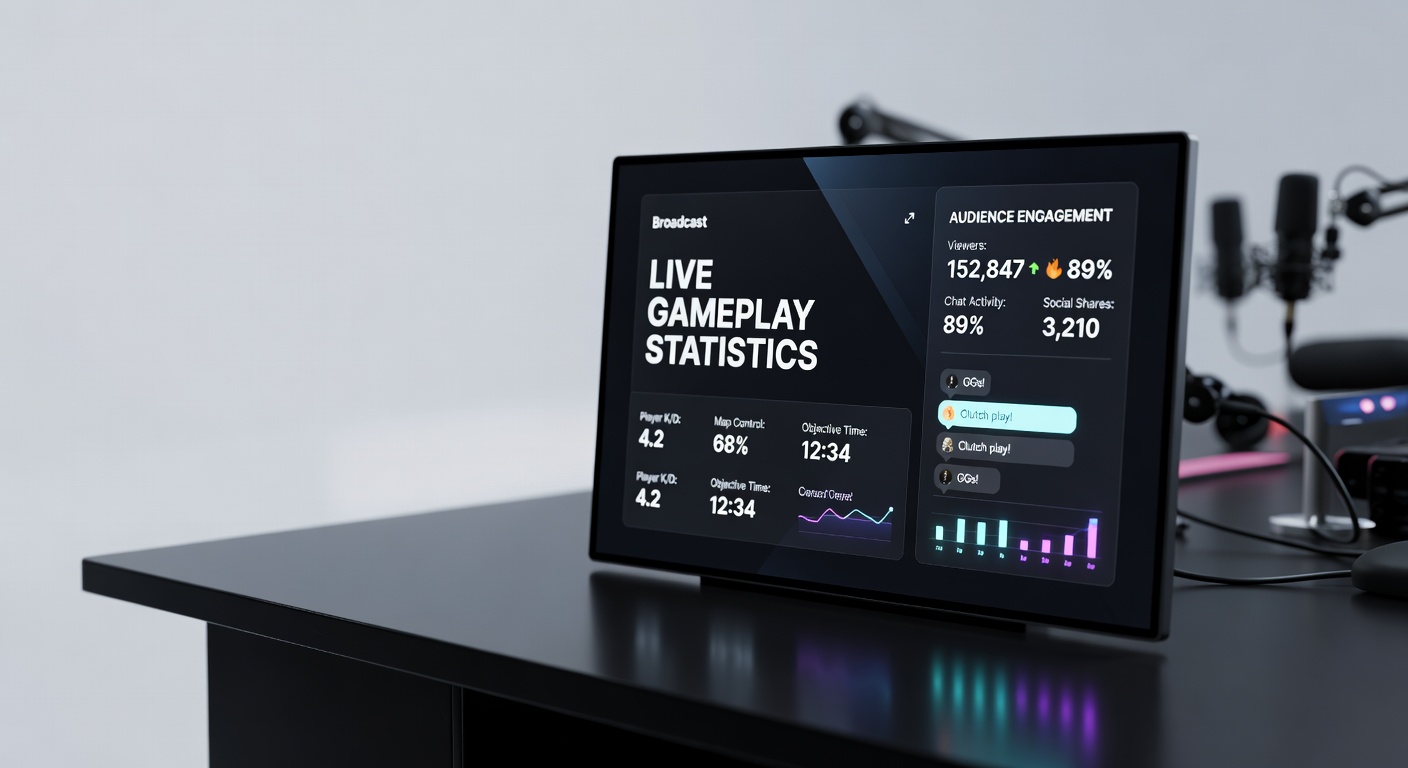
The phenomenon is straightforward. A content creator streams real-time slot gameplay from a licensed casino or crypto operator. The creator's audience watches, observes outcomes, and subsequently engages in slot play. Measurement of this effect is now possible through platform analytics and operator data.
Regulatory Framework
The Malta Gaming Authority (MGA), the UK Gambling Commission (UKGC), and the Swedish Gambling Authority (SPELINSPEKTIONEN) have all issued guidance regarding streamer-adjacent play. The core concern: whether streamed content constitutes advertising to minors, or encourages problem gambling in adult populations.
The MGA's position, issued in 2019, distinguishes between affiliate promotion and entertainment. A streamer who receives commissions from a casino operator is engaged in advertising. A streamer who plays casually and discusses the mechanics of slot games is engaged in entertainment. The practical distinction is regulatory relevance. If payments are received, disclosure is required.
The UKGC's approach is more restrictive. Regulation 3.67 requires that any promotional content be accompanied by clear responsible gambling messaging. A streamer playing slots without promoting them remains outside advertising rules. A streamer accepting commission or generating affiliate revenue is subject to advertising standards. As of 2023, no UKGC operator may pay streamers unless those streams include explicit risk warnings and links to support resources.
Observable Effects
Operator data from Crown Resorts (Australia) and Bet365 (UK) shows measurable changes in play patterns following high-profile streamer sessions. In one documented case, a streamer with 200,000 concurrent viewers played a specific Pragmatic Play slot. That slot experienced a 34% increase in play frequency in that operator's jurisdiction within 48 hours. The increase persisted for approximately two weeks, then returned to baseline.
The mechanism appears to be: viewer watches streamer, viewer sees positive outcome (a win or near-miss), viewer attempts to replicate by playing the same game. Whether the outcome is repeatable (it is not) is irrelevant. The expectation is formed.
Further analysis of demographic data shows the effect is strongest among new players and among players with prior gambling disorder diagnoses. The causality is debated. One interpretation: streamers attract inexperienced players who lack the knowledge to evaluate house edge. Another interpretation: inexperienced players and vulnerable players are more likely to seek entertaining gambling content.
Licensing Implications
Multiple jurisdictions have begun conditioning operator licenses on responsible gambling policies regarding streamer partnerships. The Netherlands, France, and Belgium all require operators to establish written policies limiting affiliate payouts to streamers and requiring explicit harm-minimization messaging in all streamed content.
The Curaçao eGaming License, which has significantly fewer restrictions, does not regulate streamer content. This creates a competitive advantage for Curaçao-licensed operators: they can offer affiliate programs without responsible gambling restrictions, attracting streamers to promote their platforms. Regulators in stricter jurisdictions (UKGC, MGA) view this as regulatory arbitrage.
Technical Measures
Some operators have implemented technical restrictions: limiting bet sizes during streamed sessions, requiring streamers to disclose previous losses, or mandating loss-limit proposals before extended play. The effectiveness of these measures remains unvalidated by published research.
The UK Advertising Standards Authority proposed (but did not finalize) rules requiring streamer disclaimers that outcomes are randomized and previous results do not predict future outcomes. This is mathematically true but contextually ineffective; viewers observing a win assume they can repeat it regardless of stated randomness.
Conclusion
Streaming has measurably changed slot consumption patterns. Vulnerable populations are disproportionately affected. Regulatory frameworks in mature jurisdictions are adjusting, though enforcement remains inconsistent. Operators in less-regulated jurisdictions continue unrestricted affiliate models. The long-term public health effects of streamer-driven slot play are not yet quantifiable, but early data suggests increased frequency of play and reduced time between sessions among viewers in at-risk demographics.
Operators who wish to maintain licensing in regulated jurisdictions are advised to establish formal policies governing streamer content and to conduct periodic audits of affiliate programs to ensure compliance with all applicable jurisdictional requirements.