I played my first slot bonus round in 2014. IGT's Zeus II. Three columns of grapes, hit the bonus trigger, and suddenly I was picking from Zeus's items. Gold coin, silver coin, lightning bolt. Pick three and collect. The whole experience took 30 seconds.
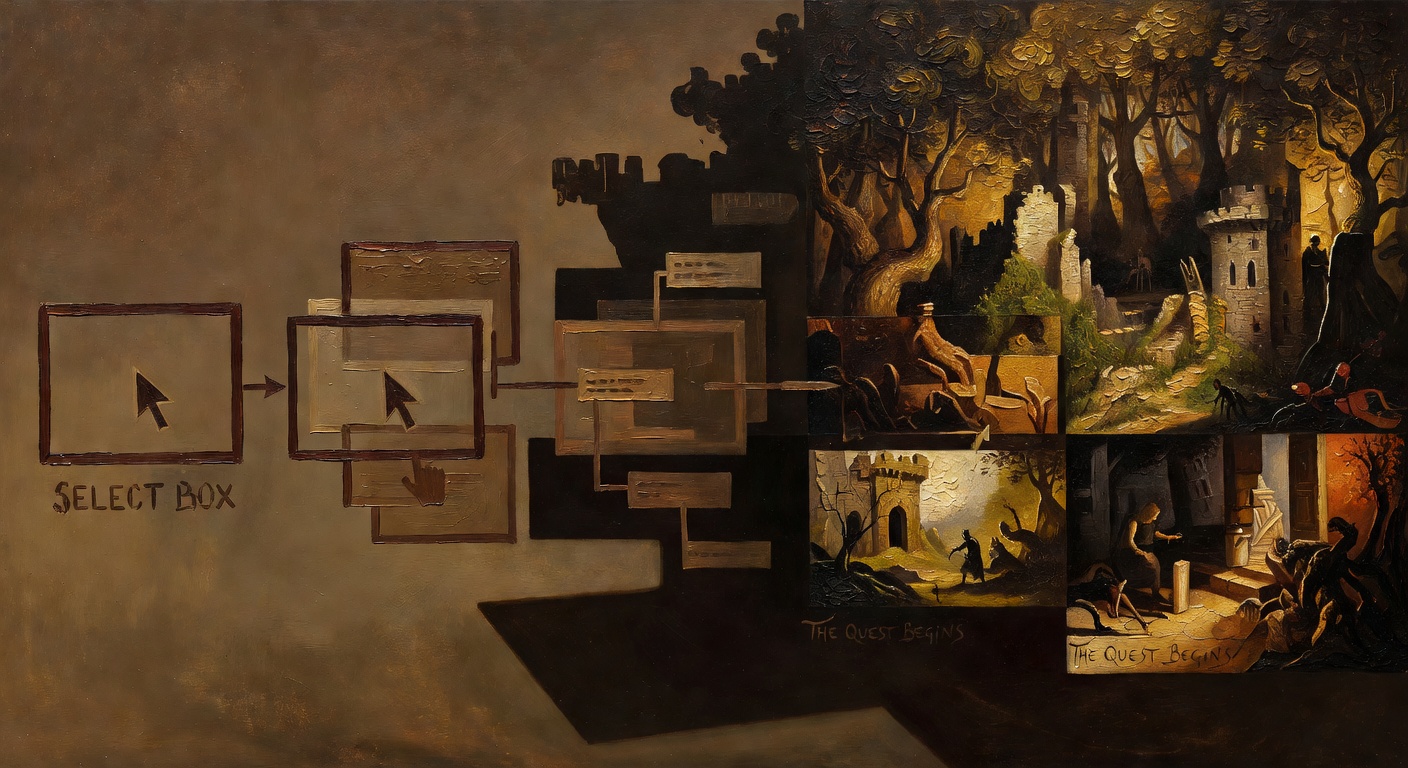
Today's bonus rounds are television shows. Aristocrat's Montezuma features a full narrative: you are in a temple, you climb stairs, each stair is a mystery box, collect bonuses as you go. The animation is cinematic. The setup takes two minutes. The reveal takes another minute. Then the payout.
Why the change? Because research proved that longer bonus rounds increase the dopamine hit. A simple pick-three game is over before your brain processes the win. A two-minute sequence gives you time to anticipate, hope, and experience the reward as a narrative rather than a instant result.
The Mechanics of Elongation
Slot manufacturers call this "feature elongation." The actual payout is determined the moment you trigger the bonus. Everything that happens in the bonus round is theater. But theater that is longer, more interactive, and more visually exciting generates more dopamine than theater that is quick.
Think of it like a joke. If someone tells you a punchline immediately, it lands. If they set up the joke over two minutes, build anticipation, then deliver the punchline, it lands harder. Slot bonuses use the setup principle: invest time in the narrative so that the result feels earned rather than random.
The Skill Elements That Are Not Skills
Many modern bonuses include apparent skill elements. You make choices during the bonus round. You pick items, or shoot targets, or navigate a maze. The choices feel like they matter. They do not. The outcome is predetermined. But the illusion of choice makes the reward stick in memory better than pure automation.
This is called "illusory agency." Your brain treats an outcome that you "chose" as more rewarding than an outcome that was simply revealed. This effect is strong enough that casinos spend money on it: developing the artwork, the animation, the choice interface. It costs more to make a choice-based bonus than a simple reveal-based bonus. Casinos make that investment because the return (increased play time and increased re-play rate) justifies the cost.
The Data on Modern Bonuses
Casino data shows that players spend 15% more time on games with complex bonuses compared to games with simple bonuses. The house edge does not change (the payout percentage is the same). But the extended time means more money wagered, which means more money lost.
Players report that complex bonuses are more fun. They are more engaging. They feel less like they are playing against a machine and more like they are playing a game. This psychological difference is intentional. The entire evolution toward elongation is designed to make losing money feel like playing.
The Future of Bonuses
Slot manufacturers are experimenting with skill games inside bonuses. A bonus that includes a shooting game where you actually have to aim and hit targets. The outcome is still predetermined, but the skill element is real. This bridges the gap between pure chance and actual skill, creating an illusion of control that is partly true.
The evolution is likely to continue. Bonuses will get longer, more interactive, more narrative-driven. The payouts will not change (still determined at trigger). The player experience will continue to feel more like a game and less like a slot machine.
I quit slots a year ago. The bonuses are why. They are beautiful, engaging, and deliberately designed to keep you playing longer. I respect the craft. I just decided I did not want to pay for the art anymore.