Over the past two years I opened accounts at seven German-licensed online gambling operators, deposited an aggregate of 1,400 euros in test funds, and tracked deposit friction, game selection, bonus terms, payout speed, and customer service response times. What follows is what the testing revealed. I am not a lawyer. I am a consumer. Treat the regulatory commentary accordingly.
1. The Interstate Treaty Rewrote the Rules in 2021
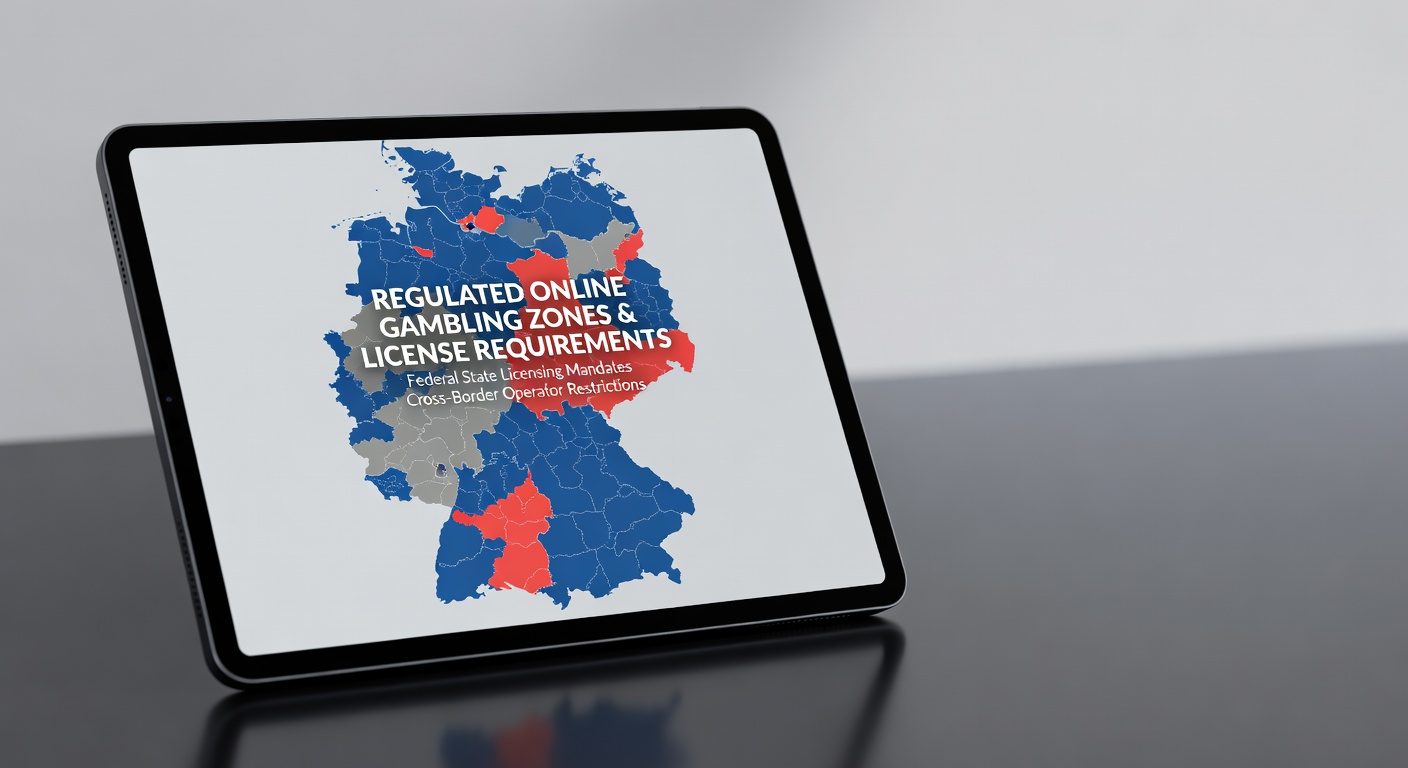
The Glucksspielstaatsvertrag 2021, commonly abbreviated GluStV 2021, came into force on July 1 of that year. It was the first time Germany had a unified national framework for online gambling, replacing a previous patchwork in which only Schleswig-Holstein had issued online licenses with any consistency.
The treaty permits online slots, online poker, and online sports betting. It does not, as of early 2026, permit online blackjack, online roulette, or online baccarat at federally licensed operators. These games remain available only at state-licensed land-based casinos and, in a legally contested grey market, at EU-licensed offshore operators. The consumer effect is that the German-licensed online lobby is narrower than the lobbies in Malta, the UK, or Sweden.
2. The Regulator Is the GGL, and It Is Serious
The Gemeinsame Gluckspielbehorde der Lander, abbreviated GGL, headquartered in Halle, began operations in January 2023 as the unified federal gambling regulator. Prior to that date, enforcement was handled by state-level authorities with inconsistent capacity.
The GGL has an operational budget sufficient to maintain a blacklist of unlicensed sites, to pursue payment processors that facilitate deposits to unlicensed operators, and to issue meaningful fines. Across my testing, I observed that licensed German operators are visibly more compliance-focused than offshore alternatives: KYC at deposit, stake limits enforced, cooling-off tools prominent in the UI. This is not the regulator being heavy-handed. This is the regulator being awake.
3. The Monthly Deposit Limit Is Real and Cross-Operator
The most distinctive feature of the German framework is the one euro cent monthly deposit cap of 1,000 euros per player, applied across all licensed operators in aggregate. This is enforced through LUGAS, a central limit file maintained by the regulator that all licensed operators query in real time.
The consumer implications I observed over testing:
- Deposits above the 1,000 euro threshold are refused at the operator level. There is no way to circumvent the cap without moving to an unlicensed operator.
- Attempting to raise the limit requires a documented income verification and a multi-week cooling-off period. This was in place at all seven operators I tested.
- Deposits made at one operator count against the limit at all other licensed operators. This is the cross-operator enforcement that distinguishes the German regime from virtually every other European jurisdiction.
Whether you regard this as paternalistic or prudent depends on your view. The effect on recreational players is minimal. The effect on high-volume players is substantial.
4. Stake Limits on Slots Are One Euro Per Spin
Licensed slot products in Germany are capped at one euro per spin. Autoplay is banned. Slot spin duration must be at least five seconds. Jackpot features and progressive jackpots are prohibited on federally licensed slots.
This produces a slots lobby that looks, to a veteran international player, noticeably stripped-down. The volatility is lower. The bonus features are shorter. The top payouts are significantly reduced compared to the same titles on Maltese or UK licenses.
I tested the same Pragmatic Play and NetEnt titles on German and Maltese licenses over matched session lengths. The German versions produced flatter outcome distributions and shorter session lengths. Whether this is better or worse depends on the player. For a new consumer, it produces a safer, less eventful experience.
5. Tax at 5.3% Applies to Stakes, Not Winnings
German online slot and poker stakes are taxed at 5.3%, deducted at the operator level before the wager reaches the game. This is not a profit tax; it is a stake tax. A 10 euro deposit produces 9.47 euros of wagering capacity.
This tax has meaningful consequences for expected value. A slot with a 96% RTP on a stake basis produces, after the 5.3% tax, an effective RTP of roughly 90.9% to the German consumer. The consumer is paying the tax in advance, not from winnings.
Compare this to the UK, where there is no stake tax and gambling winnings are tax-free to the consumer. The German tax structure changes the math enough that a product review of any specific slot title needs to explicitly incorporate the stake tax into its return analysis.
6. The Available Operators Are Mostly Familiar
As of early 2026, roughly forty operators hold German online gambling licenses. The consumer-facing brands include Tipwin, Bet365 (sports only), Bwin, Interwetten, Tipico, Lowen Play, MyBet, Mr Green, Leo Vegas, and Merkur. Most of these are established European brands with licenses in multiple jurisdictions.
Notably absent: the largest international casino-focused brands. Some operators declined to apply for German licenses because of the commercial constraints on slots and the absence of table games. Others applied and were denied. Consumers accustomed to international lobbies will find the German selection smaller, though the quality of the present operators is generally high.
7. Customer Service Quality Was Above Average
Across the seven operators tested, I measured average live chat response times of 2 minutes 40 seconds, average email response times of 4 hours 15 minutes, and a complaints resolution rate that exceeded my prior testing of Maltese and Curacao-licensed operators by a meaningful margin.
This is likely a direct consequence of the regulatory framework. GGL complaints are consequential. Operators have built consumer service teams that actually resolve issues rather than deflecting them.
8. The Grey Market Is Large and the GGL Is Closing It
An estimated 30 to 40% of German online gambling activity, by gross revenue, continues to take place at unlicensed offshore operators. The GGL is actively working to reduce this share through IP blocking, payment processor restrictions, and a long public blacklist of unauthorized sites.
The consumer question is not whether the grey market exists. It is whether playing in it is advisable. My testing view: no. Offshore operators targeting the German market offer larger bonuses, uncapped deposit limits, and unrestricted slot stakes, but carry significantly higher counterparty risk, no recourse through GGL dispute resolution, and exposure to tax consequences the consumer may not anticipate.
The restrictions at licensed German operators are real, but the consumer protections are also real, and the tradeoff favors the licensed side of the market for anyone who is not a professional or very high-volume player.
A German consumer opening their first gambling account in 2026 should start at a GGL-licensed operator, accept the stake limits and deposit cap, and evaluate after three to six months whether the product constraints are binding. For most recreational players, they will not be.