What It Actually Is
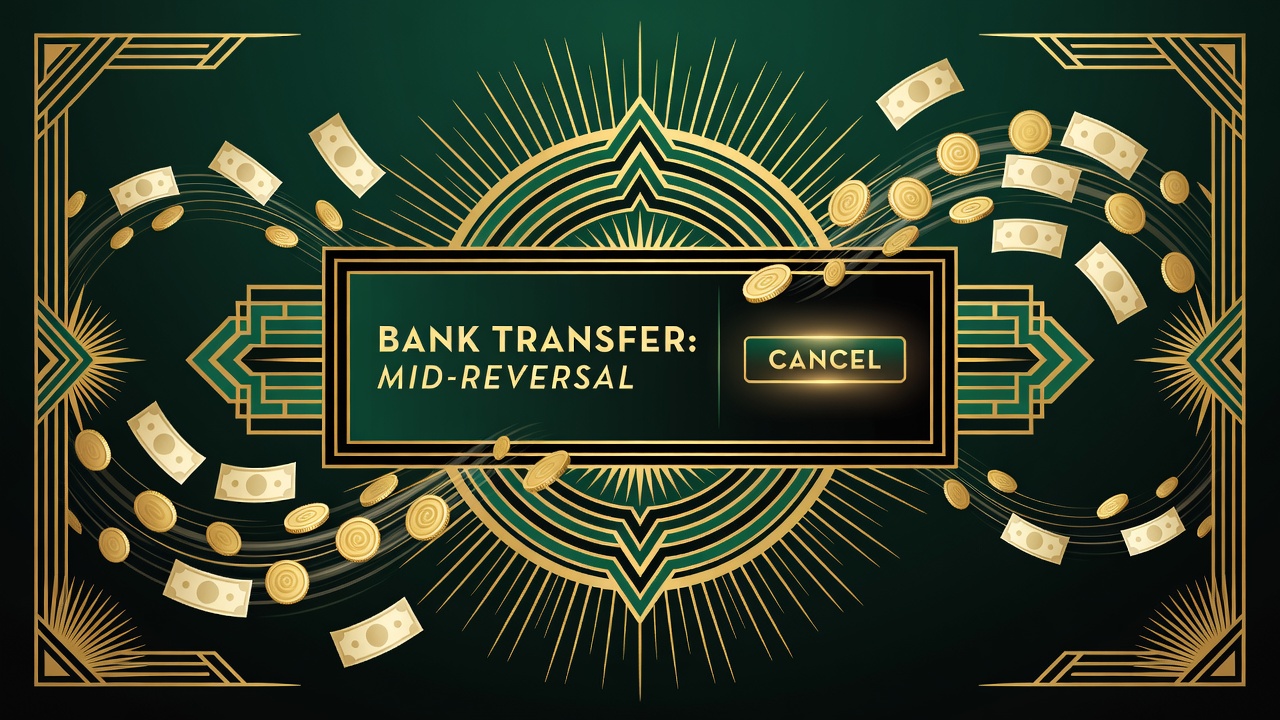
You win $500 at a casino. You initiate a $500 withdrawal. Then you cancel that withdrawal within a few hours (before it processes) and put the $500 back into your account as a fresh deposit.
That's a reverse withdrawal.
Why would anyone do this? Usually because they realize that once they take the money out, they'll want to gamble it again, and they're trying to create friction between the win and the rebetting.
The Apparent Logic
Some players think if they reverse a withdrawal and then play with the money, the casino is less likely to deny a future withdrawal because they didn't actually take a withdrawal.
This is magical thinking. Casinos don't punish players for withdrawing. Withdrawals are the least suspicious activity a player can do.
A player who withdraws regularly is actually less suspicious than a player who never withdraws.
The Real Risk
The real risk is psychological. By reversing the withdrawal, you're committing to keep playing. And by committing to keep playing, you're putting your winnings at risk.
A $500 win that becomes $0 in losses is worse than a $500 win that left as $500.
Why This Happens
Most players reverse withdrawals due to FOMO (fear of missing out). They win, they start to withdraw, then they think "wait, if I take this out, I miss the next opportunity." They reverse the withdrawal.
The next opportunity is to lose their winnings. Statistically, that's what happens.
The Casino's Perspective
Casinos love when players reverse withdrawals. Every reversed withdrawal is money that stays in the system and risks being lost.
Some casinos might even make the reversal easy to encourage it. A reverse withdrawal button right next to the withdrawal confirmation. Reversing might waive the withdrawal fee.
These are not accidents. Casinos are encouraging players to keep money in the account.
The Better Alternative
If you're worried about FOMO, the casino's job is to make you feel FOMO. Don't trust your instincts. Withdraw the money. If there's a good opportunity next week, you can deposit again.
The worst thing that can happen with a withdrawal is that you miss out. The worst thing that can happen with keeping the money in is that you lose it.
The Data
Casino data shows that players who reverse withdrawals lose those reversed amounts back 85-90% of the time. The reversal is usually the beginning of a downward spiral.
Once you reverse a withdrawal, you're committing to extended play. Extended play means variance. Variance usually means losses.
When Reversal Might Make Sense
If you're mid-bonus (you have pending bonus requirements) and a withdrawal would void the bonus, reversing might be strategic: you complete the bonus, then withdraw with the bonus applied.
But this is rare. Most bonuses don't work this way.
The Psychological Battle
Reverse withdrawals are a pure test of discipline. You've won. You've decided to leave. Now you're reconsidering.
Every time you reverse a withdrawal, you're proving to yourself that you can't stick to a decision. That's a warning sign.
The Prevention
If you're prone to reversing withdrawals, withdraw to a different account (not your gambling account). If you need the money urgently for something else, that prevents the reversal.
Alternatively, request that the casino put a 48-hour hold on all withdrawals, making reversals impossible within that window.
The Final Note
Reverse withdrawals exist. They're legal. But they're almost always a mistake. Treat them as a relapse, not as a strategy.