What Progressive Web Apps Actually Do
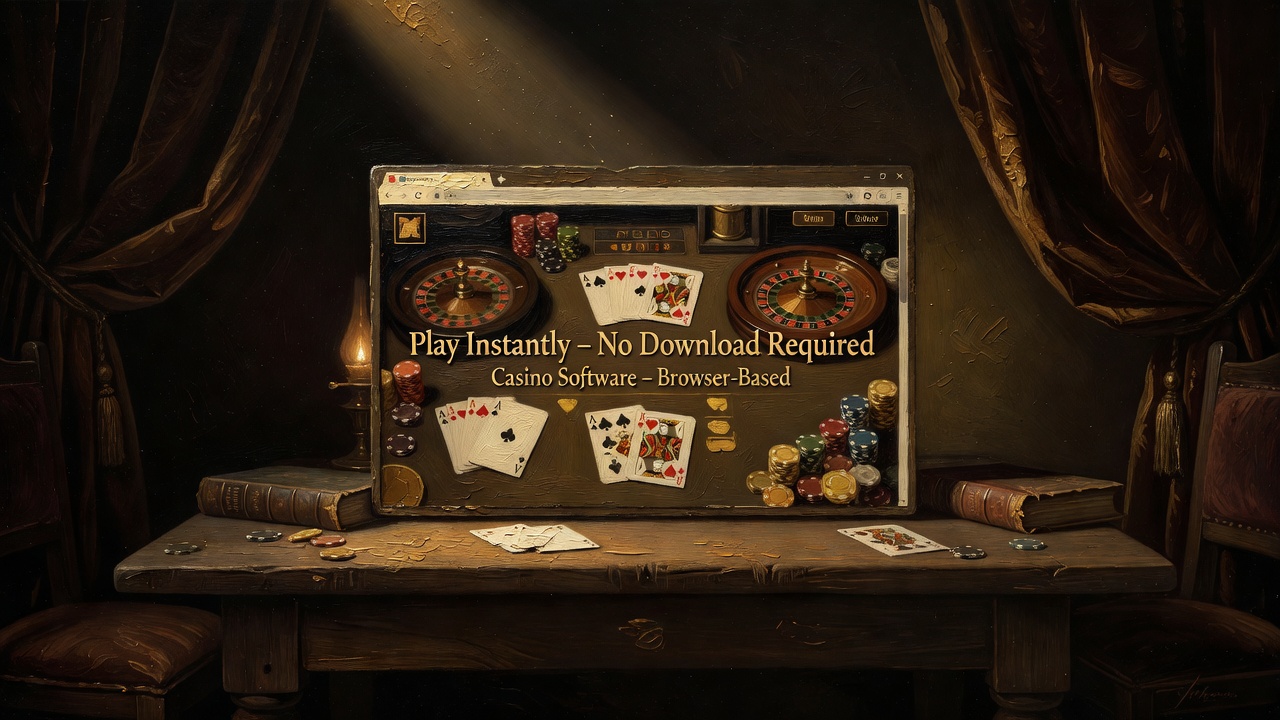
A progressive web app is a website that behaves like a native application. It runs in your browser. No download required. No installation.
For a casino, this solves a fundamental problem: app store restrictions. Apple won't let casinos sell apps in the App Store for most jurisdictions. Google is increasingly restrictive. A PWA bypasses those limitations. You just visit the casino's website, and the software runs locally on your device.
From a security perspective, PWAs are interesting. You're running code that lives on the casino's servers. That code can be updated instantly by the casino. You can't mod it or reverse-engineer it because you don't control it.
How A Casino PWA Works
When you visit a casino PWA, a few things happen:
- The casino's servers send you core game files (JavaScript, graphics, audio)
- Your browser caches those files locally
- Future loads use the cached files and just sync new data
- You can sometimes play offline; it syncs when you reconnect
The casino controls when files update. When they push a new version of the software, you get it on next load. You don't choose to update. It just happens.
This is actually good for security. If the casino discovers a vulnerability in their game, they can patch it instantly. They don't wait for players to manually update an app.
The Cheating Prevention Angle
I'll be direct: casino PWAs are partly designed to prevent players from cheating or exploiting the software.
With a traditional app that you download and install, sophisticated players can examine the app's code. They can look for vulnerabilities. They can build tools that interact with the app in ways the casino didn't intend.
With a PWA, the code is harder to inspect. You can view the source in your browser's developer tools, but the casino minifies (compresses) the code to make it harder to read. They also obfuscate variable names. Useful code is there, but understanding it requires serious reverse-engineering.
Moreover, the casino controls the version. If a player finds an exploit, the casino patches it server-side. The player's cached version becomes obsolete when the server sends new code.
The Performance Trade-off
PWAs load slightly slower than native apps because they run inside a browser engine. Browser engines have more overhead than native code.
A native poker app might load table graphics in 2 seconds. A PWA might take 3-4 seconds. It's noticeable but not usually prohibitive.
For slot machines and other games with simpler graphics, the difference is invisible. For card games with detailed card rendering, the PWA version can lag slightly on older devices.
Casinos have largely optimized around this. They use efficient libraries, lazy-loading (loading graphics only when needed), and careful code structuring to minimize the browser overhead.
Offline Play and Synchronization
A good PWA can run offline. You can play slots or bingo while on an airplane. The game records your results locally. When you reconnect, it syncs those results to the casino's servers.
From a fraud perspective, this is interesting. Offline mode means the casino can't verify every action in real-time. Players could theoretically manipulate the local data before syncing.
Casinos prevent this through hashing and signing. When you play offline, the PWA tracks every action in a signed log. When you sync, the server verifies the signature. If the log was tampered with, the signature fails and the session is rejected.
Same mechanism that cryptocurrencies use to prevent double-spending.
Data Privacy in PWAs
PWA files are cached locally on your device. This means some casino code and data lives on your device indefinitely.
If someone has physical access to your phone, they can potentially view cached game code or other data. This is generally low-risk because casino PWAs don't cache sensitive things like your password. But they do cache game files.
Modern PWAs use something called service workers, which are confined to your browser and can't be accessed by other apps on your device. So another app on your phone can't read your casino PWA's cached data. But someone with physical access to your device and knowledge of how browsers work could potentially extract it.
Responsible Gambling Implementation
PWAs make certain responsible gambling features easier to implement. A casino can update session timeout logic instantly server-side. They can update betting limits without requiring an app update.
With a native app, updating these features requires releasing a new version. Players with old app versions don't get the update until they manually update their app.
A PWA's responsible gambling features are always current. When you load the casino, you're using the latest version of their self-exclusion logic, their daily loss limits, their session timeouts.
The Security Infrastructure
PWAs communicate with the casino's servers over secure channels (HTTPS). All communication is encrypted. Session data is token-based, which means even if someone intercepts the traffic, they can't forge authentication.
The server side is where real security happens. The casino's systems verify that bets were placed correctly, that results are legitimate, that withdrawal requests have proper authorization.
The PWA is just the client. The security lives on the server.
Why Casinos Choose PWAs
They solve the app distribution problem without creating security vulnerabilities. Players don't need to install anything. Casinos can update instantly. Cheating is harder because the casino controls the code.
They're also cheaper to develop. One PWA works on iOS and Android and desktop. A native app requires separate development for each platform.
From a player perspective, a PWA is a reasonable trade-off: you get fast loading, you get automatic updates, and you don't have to manage an app installation.