I buy a $2 lottery ticket once a week. The ticket costs $2. The dream costs nothing. For 72 hours, I imagine winning 300 million. On Wednesday night, when the numbers come up and I do not have them, the dream ends. I have paid $2 for three days of optimism.
Odds comparison is the inverse of this dream. Instead of paying for hope, you pay to eliminate small inefficiencies. A sportsbook offers Liverpool at 2.0. Another offers them at 2.05. The difference is 0.05, which sounds trivial. Over 100 bets, 0.05 compounds to real money.
The Math of Decimal Odds
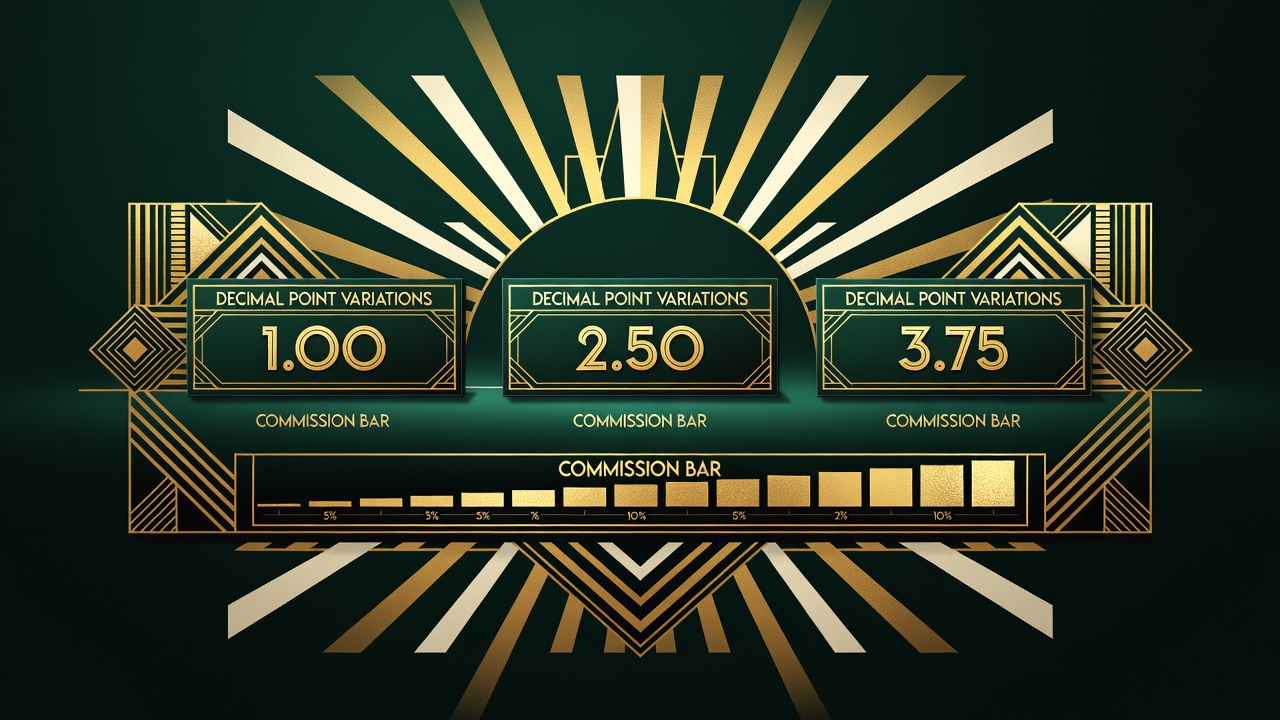
Decimal odds express the return on a 1-unit stake. 2.0 means you win $2 for every $1 wagered. 2.05 means you win $2.05. The difference in expected value: (2.0 - 1) - (2.05 - 1) = -0.05. Per bet. Per 100 bets, that is -5 units.
Odds comparison tools like OddsShark, Pinnacle Odds, and ESPN Plus show odds from multiple sportsbooks. You check the best available price before placing a bet. Over a month of betting, shopping odds might add 2-3% to your total expected value. That is enormous in a game where your edge is often 2-3%.
The Tools and Interfaces
Odds comparison tools show you in real-time what every book is offering. Some show historical odds, allowing you to see if you got the best price you could have. Some aggregate into a single "consensus odds" line. Some show line movement over time.
The best tools let you sort by specific metrics: sharp books (books that set lines carefully and adjust quickly), soft books (books with lines that diverge from market consensus), and specific sports or leagues.
Most professional bettors use multiple comparison tools because no single tool covers every book and every market. They will check OddsShark for one sport, Pinnacle for another, ESPN for a third.
The Competitive Advantage
Odds shopping is not sexy. It is boring, mechanical, and repetitive. But it is one of the few genuine edges available to casual bettors. You cannot beat the market consistently. But you can eliminate self-harm by consistently taking the worst available odds.
A casual bettor might place 10 bets per week without shopping odds. A bettor who shops odds takes the best available price. Over a year, 520 bets, the difference in expected value is massive.
The Reality of Moving Lines
Odds move when sharp money comes in. If the consensus on a game is Team A 2.0, but sharp bettors start backing Team B heavily, the line moves to Team B 1.95. By the time you see the movement on a comparison tool, the sharp money has already acted. You are reacting to history.
Professional bettors beat the market by identifying mispricings before they move. Casual bettors beat the market by shopping odds, which eliminates a percentage of their losses. Both strategies are valuable at their respective skill levels.
The philosophical question is whether sports betting is gambling or investing. If you shop odds, track expected value, manage bankroll, and treat it as a system, it feels more like investing. If you place bets without optimization, it feels like gambling. Odds shopping is the first step toward thinking of betting as something that requires effort and skill.