The dealer shuffles the deck. The cards land. But who built this game, and who lets it exist?
Most players think licensing is a casino problem. You see the logos: Malta Gaming Authority, UK Gambling Commission, Curaçao eGaming. The assumption: the casino gets licensed, the casino handles compliance, the casino takes the heat. Wrong.
The Provider Sits Upstream
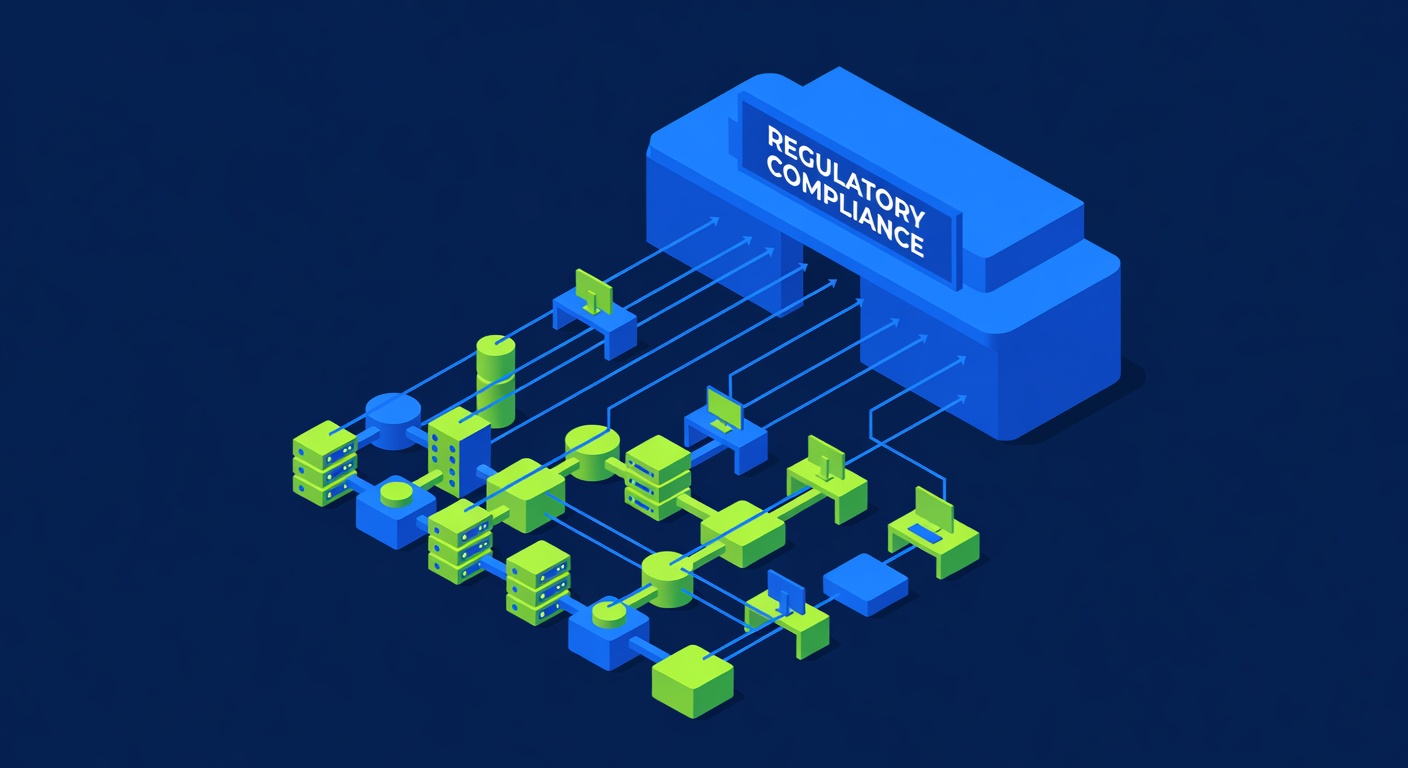
Every game in a licensed casino runs on software built by a game provider. Pragmatic Play. Microgaming. Evolution Gaming. NetEnt. These companies don't answer directly to gambling regulators in most cases. The casino does. But the casino cannot offer a game that the provider does not have licensed in that jurisdiction. This creates a chain: regulator approves provider license in jurisdiction X, casino buys rights to deploy those specific games in jurisdiction X, player sees the game.
Break any link in the chain and the game vanishes.
Take the UK. The Gambling Commission licenses both casinos and game suppliers. A game supplier must have its own supplier license, separate from any casino that uses their games. Pragmatic Play, for instance, holds a UKGC supplier license. Under that license, specific games are approved. A UK casino can then deploy those approved games. The casino's license requires it to use only approved game content.
Most players don't care where the line is drawn. They play. But from the provider's side, this is existential. A single regulator rejection of a game variant kills that game in that market instantly. DraftKings depends on supplier licenses from states where it operates. If New Jersey revokes Pragmatic's supplier license tomorrow, every DraftKings property in New Jersey loses every Pragmatic game by sundown.
Licensing creates a regulatory dependency that makes game providers, not casinos, the target of regulators who care about game integrity.
Why does this matter? Because regulators care about the math. They test games before approval. RTP (return to player), volatility, RNG (random number generator) certification. These are supplier obligations. A casino has almost zero control over whether a game meets spec. The casino is downstream. It buys a certified product and deploys it.
When regulators investigate a "rigged game," they investigate the provider. The provider's RNG, the provider's payout tables, the provider's certification. The casino is liable for deploying it without approval, but the provider is liable for building it wrong. Stake, for instance, faced regulatory scrutiny when several regulators questioned the legitimacy of its license in Curaçao. That scrutiny fell on the provider first, even though Stake operates as both operator and provider.
Malta (MGA) is stricter. You cannot operate a casino in Malta without an operator license. But you also cannot build games for Malta without a separate B2B supplier license. Evolution Gaming has both; it operates studios and supplies games. But if Evolution's supplier license fails, all Evolution-powered games vanish from MGA-licensed casinos, regardless of the casino's own license status.
The practical effect: game providers invest heavily in compliance infrastructure that casinos never see. Audit trails, monthly reporting, RNG verification, independent testing labs (iTech Labs, BMM Testlabs, GLI). A large provider maintains compliance with 20+ jurisdictions simultaneously. Miss one quarterly audit in Malta and your license goes to review. Fall behind in Sweden (SPELINSPEKTIONEN) and your games get delisted.
Casinos benefit because they never have to build this machinery themselves. They buy games from licensed providers and inherit the provider's compliance posture. But this also means casinos have zero negotiating power over game integrity. They cannot request lower volatility or different math. The provider sets the game in stone. The casino can take it or leave it.
For players, this translates to a two-layer protection. The provider's license means the game was tested. The casino's license means the game was approved for that market. But it also creates opacity. Players see "licensed by the UKGC" and think the casino handles everything. In reality, multiple entities are responsible, and that distributed accountability is exactly what makes the system work.