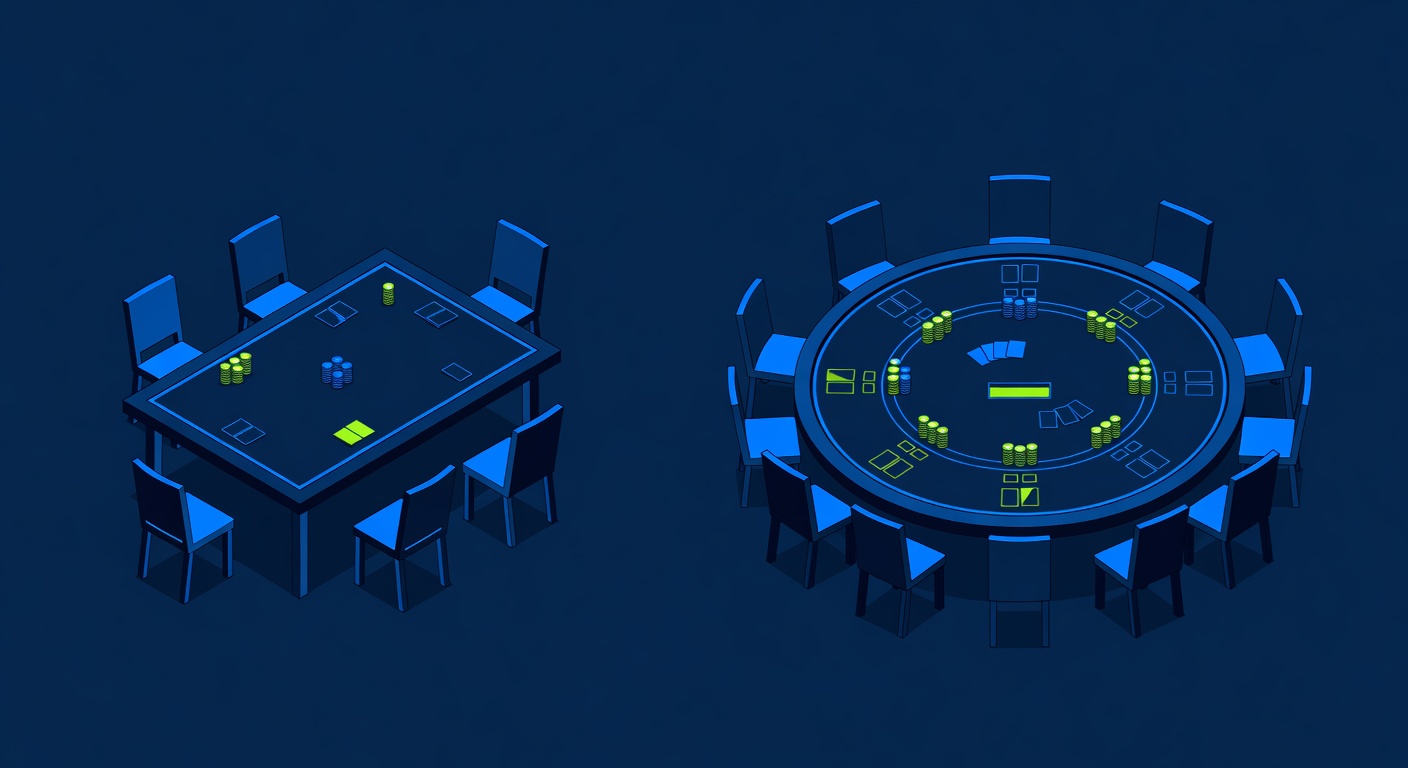
A home game is usually five to eight players, friends or acquaintances, in someone's apartment or basement. Chips are bought for cash at the beginning. They can be rebought if you run out. The game ends when everyone agrees to end it, sometimes after six hours, sometimes after sixteen.
A casino cash game is five to ten seats at a table, strangers, in a public room. Chips are bought at a cage before the game. If you run out, you can rebuy, but there is a process. The game runs twenty-four hours a day with players rotating in and out.
The Structural Differences
Home games often have house rules. Straddles might be allowed. The big blind might move or stay. The button might move in non-standard ways. Everyone at the table knows and accepts the house rules because they play there regularly.
Casino games have standardized rules enforced by the house. There is one button position. The blinds follow a standard pattern. A straddle is either allowed in this room or not allowed. Everyone who sits down accepts the established rule set.
Home games are often looser. Players are there to have fun with friends. The stakes might be modest or serious, but the mentality is social. A casino game is serious business. People are there to win money or kill time. The mentality is competitive.
The Rake and the Money
A home game has no rake. The money in the middle stays in the middle. The house is not taking a cut.
A casino takes rake or charges time. A rake is a percentage of each pot, usually 5 percent up to a cap. Time is an hourly fee per person. The rake means you are fighting both the other players and the house at the same time.
This changes the math significantly. A home game where you are a 55 percent win rate player is profitable. A casino game where you are a 55 percent win rate player might break even after rake and time charges.
The Skill Gap
Home games often have large skill gaps. Someone's uncle plays once a month and does not understand poker. Someone's friend plays poker once a month and knows the basics. Someone else plays regularly and is competent. The disparity means skill matters enormously.
Casino games at the low and mid-stakes tend to have smaller skill gaps. Everyone at a 2-5 table has played poker many times. No one is a complete novice. The skill disparity exists, but within a narrower range.
What I Learned
Transitioning from home games to casino games taught me that casino poker is harder than home poker, even at the same stakes. The rake is a real cost. The competition is stiffer. The variance is higher because decisions matter more.
Home poker prepared me mechanically. Casino poker taught me financially. A skill advantage in home games does not guarantee money in casino games because you have to beat rake and compete against players who are better on average.