The Portuguese Era
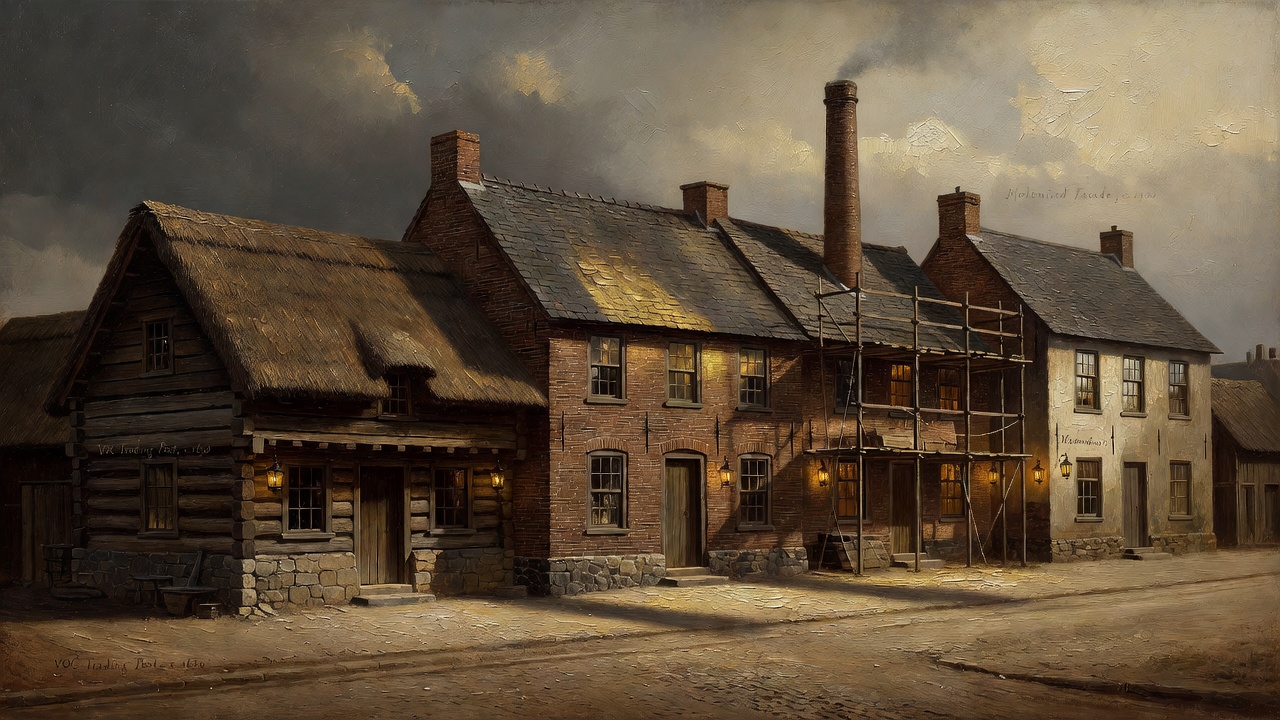
Macau was founded by Portuguese traders in 1557. For 400 years, it was a minor trading port under Portuguese administration. The territory was tiny (11 square kilometers) and mostly forgotten by the world.
During this period, gambling was tolerated but not encouraged. The Portuguese government made money from trade, not from licensing casinos.
The Handover
In 1999, the Portuguese handed Macau back to China. Unlike Hong Kong (which came under PRC rule in 1997), Macau was granted a special status: "One Country, Two Systems." It could maintain its own legal system, its own currency, and its own regulations.
This meant Macau could keep its casinos. Under Chinese rule, Macau would be a gambling Special Administrative Region of mainland China.
The Monopoly
When Macau came under Chinese control, the government granted a gaming monopoly to Stanley Ho, a Macanese businessman who had been running gambling operations since the 1960s.
Ho controlled every casino in Macau. He had absolute monopoly power. Under his license, he could set rules, set odds, set payout percentages.
The Growth
In the first few years after the handover, Macau's gaming revenue was modest: maybe $500 million annually. It was a regional gambling destination, not a global one.
But mainland Chinese wealth was exploding. Suddenly, wealthy Chinese could leave the mainland (though it was technically restricted; it happened anyway) and come to Macau to gamble.
By 2006, Macau's gaming revenue exceeded Las Vegas. By 2010, it was generating $25 billion in annual gambling revenue. By 2012, it was $38 billion. Macau had become the largest gambling market in the world.
Why So Fast
Three factors:
-
Wealth. Mainland China's newly rich had money to spend. Gaming was legal in Macau. It wasn't legal in mainland China. The appetite was enormous.
-
Access. Macau is 90 minutes by ferry from Hong Kong, 30 minutes from Zhuhai (mainland China). Wealthy Chinese could reach it easily.
-
Regulation. The Macanese government gave Stanley Ho's company an absolute monopoly with minimal regulatory oversight. This meant high margins. High margins meant casinos could afford luxury properties and world-class hospitality.
The VIP Room Boom
Macau's casinos didn't attract casual gamblers. They attracted junketers: intermediaries who brought high-net-worth players from mainland China and Hong Kong.
A junketeer would facilitate a trip: bring a wealthy businessman to Macau, arrange a VIP room, provide credit, facilitate the gambling, and arrange the return.
The player might bring $1 million and leave with $2 million or leave with $0. Either way, the junketeer took a cut. The casino took a cut.
The VIP room model made Macau extraordinarily profitable. Regular casino floors might generate 2-5% net revenue. VIP rooms, because of their higher credit risk but higher volume, could generate 10-15%.
The Competition
By 2002, Stanley Ho's monopoly ended and other operators were licensed. Las Vegas Sands opened the first major resort casino. MGM, Wynn, and others followed.
But even with competition, Macau's gambling revenue dwarfed Vegas. In 2012, Macau generated $38 billion in gaming revenue. Las Vegas generated $6 billion.
The gap was so large that it seemed impossible. But it was real. Macau was that much larger.
The Decline
Macau's explosive growth ended after 2013. Several factors:
-
Corruption crackdown. China's anti-corruption campaign restricted the ability of government officials to gamble (they couldn't risk being seen in casinos).
-
Currency controls. China implemented stricter capital controls, making it harder to move money to Macau.
-
Junket crisis. Several major junket operators went bankrupt or were arrested for illegal activity.
-
COVID. The pandemic devastated Macau's tourism, especially mainland Chinese visitors.
By 2022, Macau's gaming revenue had fallen by 75% from its peak.
What It Reveals
Macau's rise and fall shows something important: gambling markets are not stable. They're driven by specific conditions (wealth generation, access, regulatory permissiveness, weak enforcement).
When those conditions change (political crackdowns, economic shifts, natural disasters), the market collapses.
Macau created more wealth and more loss of life from gambling than any place in history. It also showed that such markets can be reversed quickly when political will changes.