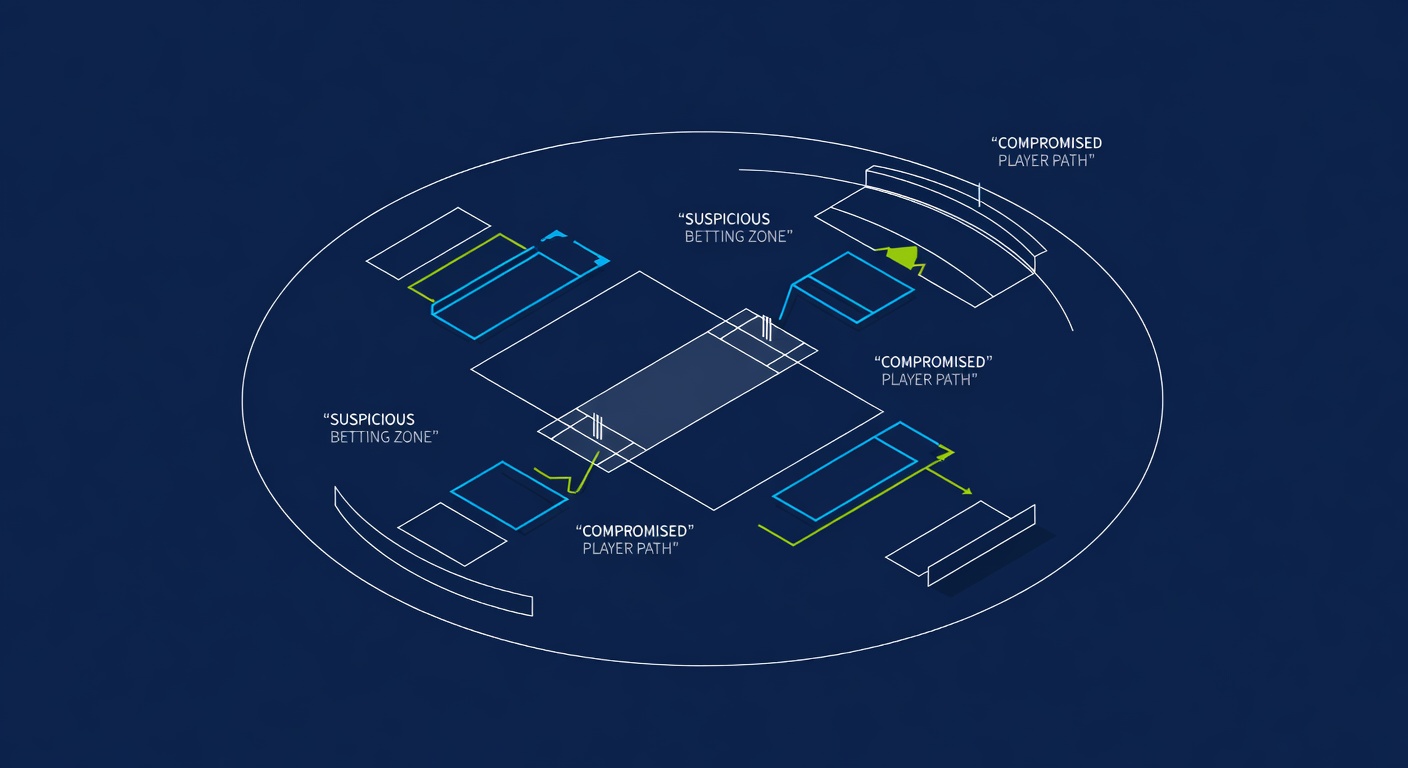
Hansie Cronje was a disciplined player. That was the thing about him. He was not flashy. He was tactical. He understood odds and probability in the way that cricket captains have to: when to bat, when to field, when to push and when to conserve. He lived in a world of calculated risk.
And then he bet against his own team.
In February 2000, during an ODI (one-day international) match against India, Cronje made a decision in the final hours of the game. South Africa could win. South Africa could lose. Both outcomes were possible. Cronje chose to make a deal. He would ensure a particular outcome in exchange for money. The money was small relative to his salary, but the act was enormous.
The Setup
Cronje had been contacted by bookmakers. Indian bookmakers, mostly. They offered him money. Not millions. Tens of thousands of rands. Enough to be tempting to a cricketer making a salary but not enough to be obviously life-changing. The pitch was simple: influence the game so that the outcome matches the bet. The player who knew betting odds better than anyone on his team was being asked to become a betting facilitator.
The method was cricket-specific. Cronje could not just lose the game. He had to lose in a way that looked natural. That looks like cricket. That looks like skill or luck, not manipulation.
How you fix a cricket match is different from how you fix other sports. In cricket, the captain controls field placement, bowling changes, batting strategy. A captain can influence the game without being noticed because the captain's job is to make strategic decisions. Betting-influenced decisions can hide inside strategic decisions.
Cronje made his bets. He influenced the game. South Africa lost. The bookmakers won. The money moved. And for a time, nobody knew.
The Exposure
But betting leaves traces. Large bets on unexpected outcomes create patterns. The betting markets for cricket are not as sharp as the betting markets for other sports, but they exist. Bookmakers, sharp bettors, and arbitrage players are always watching for anomalies. A sudden flood of money on one side of a match, at odds that do not match the expected probability, is a signal that something is wrong.
When Cronje made his bet, he did not hide it. The money moved visibly. Within weeks, whispers started. Within months, investigation began. The Delhi Police opened a case. The media began asking questions.
Cronje denied everything at first. That was the standard move. Deny, delay, litigate. But the evidence was building. Bank records. Witness testimony. The betting patterns themselves. In March 2000, Cronje admitted. He had fixed matches. He had taken money. He had used his position as captain to influence outcomes.
What It Meant
For cricket, it was catastrophic. The captain of a major team had been rigging games. The question immediately became: how many others had done the same? The entire structure of international cricket came under suspicion. Betting patterns from years of matches were reexamined. Other players were questioned. Some admitted. Some denied.
For betting, it was a lesson in edge erosion. Sharp bettors who had noticed the anomalies, who had realized something was wrong, they profited. Everyone else lost or got confused. The market was not actually a market anymore; it was information asymmetry with money attached.
For Cronje personally, the end was shame. He was banned from cricket. He was investigated, convicted of fraud. His career was destroyed. Years later, he died in a car accident. The redemption narrative never came.
The Betting Lesson
The reason to discuss this in a betting context is that it teaches something important: outcomes that seem improbable have a reason. Sometimes the reason is that you do not understand the sport. Sometimes the reason is that the game is rigged. A sharp bettor's job is to ask which.
Cronje's scandal taught the betting world that major sports were vulnerable. A captain or a key player could influence outcomes. Betting patterns could reveal that influence before official channels did. The response was more sophisticated surveillance of betting markets, more correlation between betting anomalies and actual match results, more willingness to report suspicious patterns to authorities.
The fix worked partly. Modern cricket has more oversight. The betting world is more alert. But the fundamental lesson remains: information is asymmetrically distributed, and sometimes the asymmetry is because someone on the inside is making money from what you cannot see.