You win big in crypto. The tax man still has questions.
That is the pitch of this whole piece. You walk into the virtual casino, the interface glows, the jackpot hits, and somewhere between the confetti animation and your second espresso, a second story starts writing itself. That second story is the one the IRS is interested in. Or HMRC. Or the Bundeszentralamt. Whichever flavor of revenue agency lives in your passport.
The Short Version Nobody Wants
In most jurisdictions that matter, yes, you report crypto gambling wins. Yes, even if the casino is offshore. Yes, even if you never touched fiat. Yes, even if the wallet is self-custodied and the only receipt is a TXID on Etherscan.
Here is the part people miss. A crypto win is usually two taxable events stacked on top of each other like a double shot. First, the win itself. Second, the moment you later sell or swap that crypto for something else. Both moments want paperwork.
United States: The Loud One
The IRS treats gambling winnings as ordinary income. Crypto does not get a free pass. You pay income tax on the fair-market dollar value of the crypto at the moment it hits your wallet. Later, when you trade that crypto, you also owe capital gains on any appreciation.
Two tickets, one event. That is the deal.
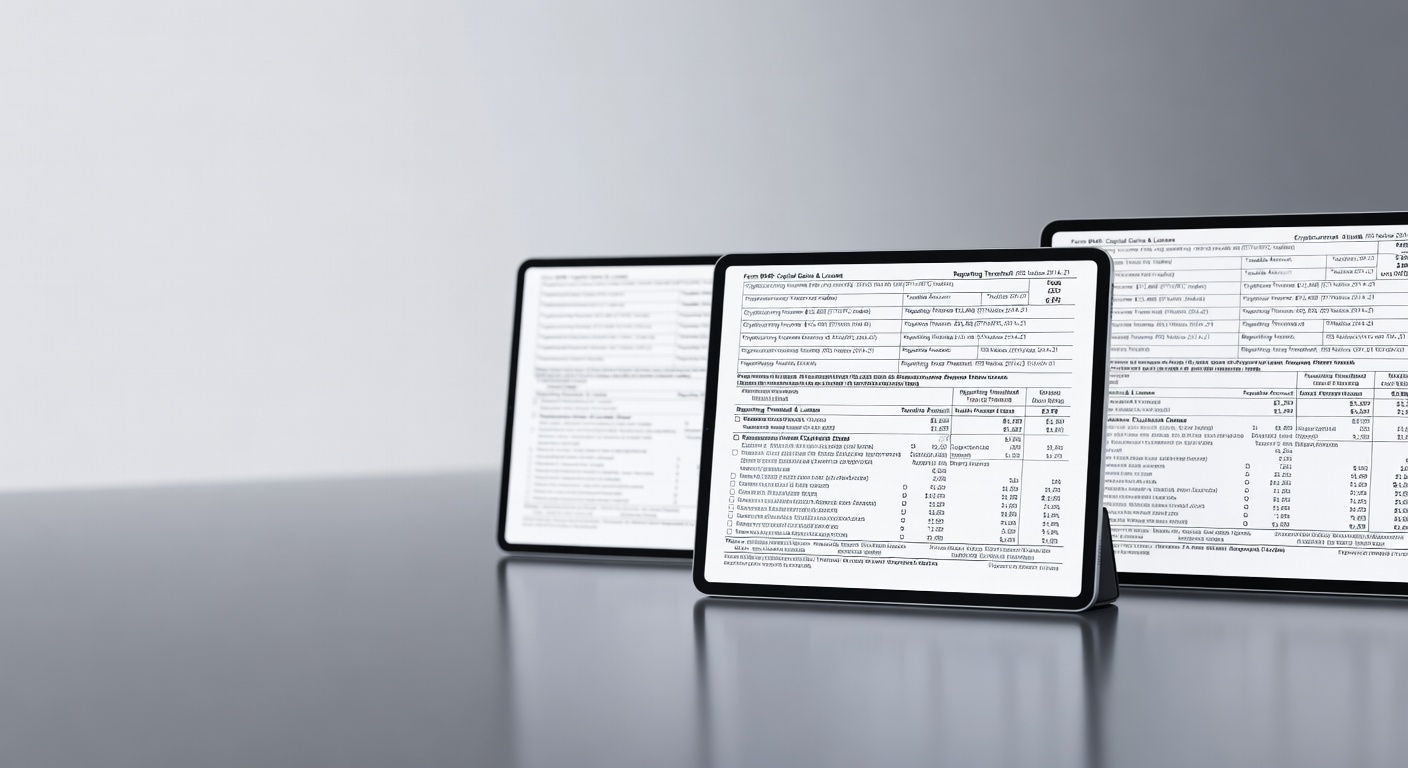
Losses exist, sort of. You can deduct gambling losses up to the amount of your winnings, but only if you itemize. Most casual players do not itemize. Most casual players therefore eat the full win at ordinary rates and claim nothing back. File your Form 1040, Schedule 1 for the winnings, Schedule D and Form 8949 for the disposal of the coin.
United Kingdom: The Quiet One
The UK does not tax gambling winnings. Hit a million sats on roulette, keep the million. That is the good news.
The bad news is that the coin itself still has a cost basis for capital gains. When you sell your winnings for sterling, HMRC wants to know the gain between the price when you received the coin and the price when you sold it. Your win is tax free. Your coin appreciation is not. Read that twice.
Germany: The Technical One
Germany generally does not tax private gambling winnings, but professional gambling is treated differently, and the line between hobby and profession is exactly as blurry as you would expect. The bigger wrinkle is the coin. Hold your crypto winnings for more than twelve months and a sale is typically tax free. Sell in under a year and the gain is ordinary income.
Timing is everything. Write down the date you won. Write down the date you swapped.
Australia: The Mixed Bag
Australian residents usually pay nothing on gambling wins unless the ATO classifies them as carrying on a business of gambling, which is rare but not mythical. The crypto, again, is a separate story. Capital gains apply when you dispose of it, whether you swap to AUD, to USDT, or to another token.
Records Are Everything
Here is the single thing that actually saves you when the letter arrives. Records.
- Screenshot every win. Date, time, crypto amount, game, casino.
- Note the USD, GBP, or EUR value at the moment of the win. Pull it from CoinGecko or CoinMarketCap and save the screenshot.
- Log every withdrawal TXID.
- Log every later swap or sale with its own timestamp and value.
- Keep the casino's transaction history as a PDF. Sites disappear.
The casino is not going to mail you a W-2G. Many offshore crypto casinos do not issue any tax document at all. The paper trail is on you.
The Anonymity Myth
You think the wallet is anonymous. It is pseudonymous. Chain analysis firms like Chainalysis, TRM Labs, and Elliptic sell subscriptions to revenue agencies. When you cash out to a KYC exchange, the link is made. When that exchange files a 1099-DA or its local equivalent, the link becomes a letter.
People who won big in 2017 and 2018 are still getting IRS notices in 2024 and 2025. The statute of limitations on unreported income is three years from filing. On substantial underreporting, six. On fraud, there is no clock at all.
When to Call a Professional
Once the six-figure mark shows up, you stop Googling and call a CPA who specializes in crypto. The fee is real. The alternative is worse. A good preparer will reconstruct cost basis, run the loss offset math, and file the amendments you forgot you needed. Budget 500 to 3,000 US dollars depending on complexity. Cheap, at the price.
The Party Line
Report the win. Report the swap. Keep the screenshots. Keep the TXIDs. Sleep better.
The jackpot is the fun half. The paperwork is the other half. Both halves are yours now. Welcome to the big room.