Claim: Curacao Licenses Are Rubber Stamps
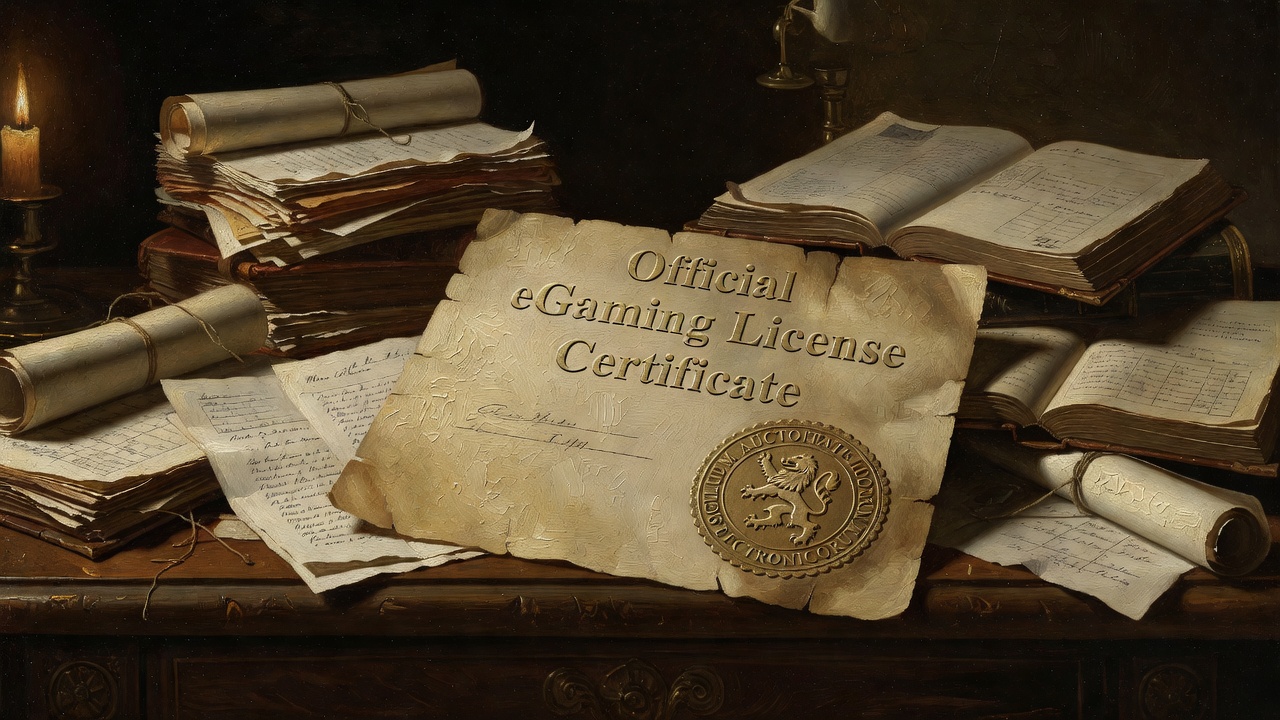
This is partially true and partially oversimplified. Curacao eGaming does issue licenses with minimal operational scrutiny compared to UK or Malta frameworks. But they do have a framework, and some operators follow it while others ignore it entirely.
The reality: Curacao is a small Caribbean jurisdiction that cannot afford the infrastructure of a major regulator. Instead, they issue licenses in bulk at fixed fees, maintain a minimum compliance standard, and rely on operators to self-regulate. It's a trade-off: operators get cheaper licensing, Curacao gets revenue, and actual oversight is minimal.
Claim: All Curacao-Licensed Operators Are Equal
Wrong. A Curacao license issued in 2005 by the Gaming Control Board under the old framework is not the same as a Curacao eGaming license issued in 2019. The jurisdiction changed its approach significantly after pressure from international regulators.
Operators licensed under the old system had almost no real obligations. Operators licensed under the newer eGaming framework have somewhat more, including basic KYC/AML procedures and payout verification. It's still lighter than UK oversight, but it's not nonexistent.
Claim: Curacao Doesn't Verify That Casinos Actually Exist
Technically true. Curacao doesn't send inspectors to casinos' physical locations. They don't verify that you have an actual office or staff. But they do conduct financial audits, they do require proof of software certification, and they do maintain a list of licensed operators that they publicize.
An operator with a legitimate Curacao eGaming license usually has at least some physical presence somewhere, usually in Eastern Europe or Southeast Asia. The license itself doesn't verify it, but the cost structure of operating a casino usually requires something real. A completely virtual operator would need false documentation that most legitimate operators don't bother with.
How The Licensing Actually Works
Curacao eGaming issues several categories of licenses. The primary ones are:
Category 1: Full online gaming license allowing operation of casinos, poker, sportsbooks, etc. Cost is around $80,000-120,000 initially. Renewal is roughly $40,000-60,000 annually.
Category 2: Restricted licenses for specific operators or specific games. Lower cost, more limited scope.
The licensee must provide evidence of ownership, banking information, and software certification. Curacao requires that the software be tested by an independent third party (usually eCOGRA or iTechLabs). This is not trivial to fake.
Once licensed, the operator must report quarterly to Curacao. The reports include financial information, player counts, payout statistics. Curacao reviews these to verify that the operator is still operating and paying taxes on the license.
What Curacao Actually Audits
Curacao's audit process focuses on three things: payout percentages, financial liquidity, and compliance with basic AML/KYC standards.
Payout percentage is non-negotiable. If a casino claims RTP of 96%, Curacao periodically verifies this through their licensed testing labs. An operator found to have false RTP percentages loses their license.
Financial liquidity is verified through bank statements. Curacao wants assurance that if players request a withdrawal, the operator has money to pay them. An operator operating on a 1% margin with $5 million in player deposits should be holding at least $5 million in a segregated account. Curacao spot-checks this.
AML/KYC is verified through due diligence reviews. Curacao requires that casinos implement standard know-your-customer procedures: identity verification for large accounts, source-of-funds verification for unusual activity. This is not Vegas-level thoroughness, but it's more than nothing.
What Curacao Doesn't Do
Curacao does not conduct site inspections. They do not verify responsible gambling features in depth. They do not police bonus terms that might be predatory. They do not require operators to maintain public complaints offices.
Curacao does not prevent an operator from having severe security flaws or poor customer service. These things are not part of the license review. A Curacao-licensed casino with inadequate encryption or a history of customer disputes is still fully licensed and compliant, as long as they meet the narrow criteria: payouts verified, money on deposit, basic KYC in place.
Why Operators Choose Curacao
Cost is the primary reason. A Malta Gaming Authority license costs $250,000-500,000 in setup and $150,000-300,000 annually. A UK Gambling Commission license is even more expensive. A Curacao eGaming license is 20% of the cost, with much lighter ongoing compliance.
Regulatory burden is the secondary reason. Malta requires extensive responsible gambling policies, detailed player protection frameworks, and regular audits. Curacao requires the basics. For an operator that wants to maximize margins, Curacao is attractive.
The Reputational Trade-off
An operator with a Curacao license is signaling something to players: we chose the cheaper option. This has implications. Players in the UK won't trust a Curacao license the way they trust a UK license. Players in Australia might assume a Curacao operator is illegitimate.
What they should assume instead: this operator has chosen lighter regulation and lower costs in exchange for higher risk and lower regulatory prestige. That doesn't mean they're a scam. It just means they're not willing to pay for premium licensing.
The Risk Assessment
A legitimate Curacao-licensed operator is reasonably safe. Their license is verifiable (you can check it on the official registry), their payouts are tested, and their money is supposedly on deposit.
But they're not as protected as UK or Malta-licensed operators. Curacao's enforcement mechanisms are weak. If an operator breaches their license, Curacao's remedy is revocation. They can't fine the operator into compliance. They can't force refunds to players.
So Curacao licensing is a calculated risk. Lower cost, lighter regulation, less recourse if something goes wrong.