When you send crypto to a casino, the transaction should confirm in minutes. Sometimes it does not. Minutes become hours. Hours become days. Your money is neither here nor there. You are suspended in a purgatory of uncertainty.
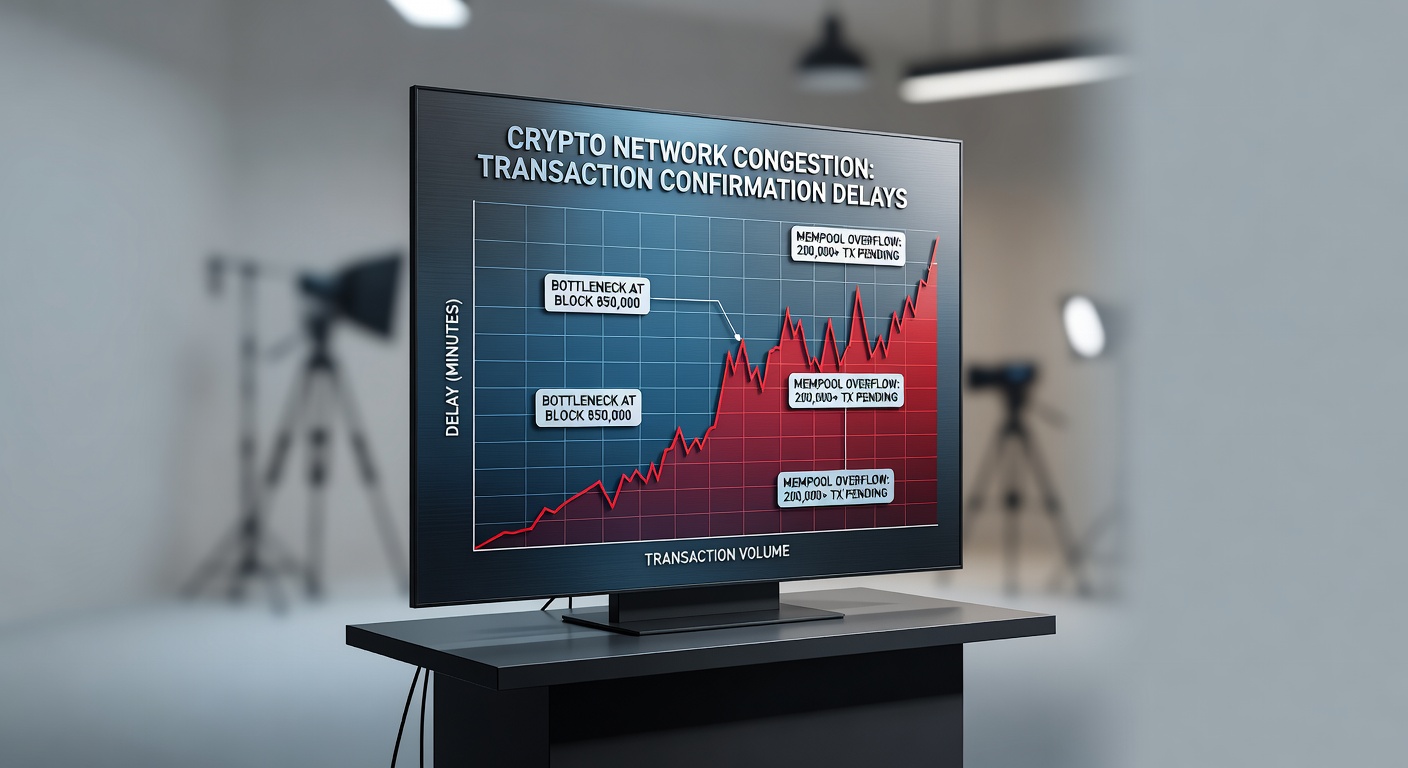
The first thing to understand is that crypto transactions are not like wire transfers. A wire transfer is a promise from a bank that your money will arrive. A crypto transaction is a message that gets added to a queue of thousands of other messages waiting to be processed. If the queue moves fast, your message gets processed quickly. If the queue backs up, your message waits.
The speed of processing depends on network congestion and the fee you paid. A Bitcoin transaction paying 1 satoshi per byte gets processed slowly. A transaction paying 100 satoshis per byte jumps the queue. This is called a gas fee on Ethereum, a miner fee on Bitcoin.
Most casual users do not understand this. They send a transaction and expect it to confirm immediately because that is their experience with ACH transfers. But crypto works differently. Confirmation time is a market. You are competing with thousands of other transactions for block space.
The Stuck Transaction
A stuck transaction is one that paid too low a fee and got caught in the mempool, the waiting area before block inclusion. It is not lost. It is just waiting. Some stuck transactions eventually process when network congestion decreases. Some never process and eventually get dropped.
You can check if your transaction is stuck by looking at the blockchain using a block explorer. Search for your transaction ID. If it shows zero confirmations and has been pending for hours, it is stuck.
Some exchanges and wallets let you increase the fee on a stuck transaction through a feature called Replace-By-Fee (RBF). You submit a new transaction with the same inputs and higher fee. The network processes the higher-fee version first and the original transaction becomes invalid.
What to Do
First, wait. Some stuck transactions process after 12-24 hours when network congestion decreases. Second, check the current network fee situation. If fees have come down, RBF is your best option. Third, contact the casino if the transaction is not showing up after 24 hours. They can check if they received it and help troubleshoot.
Do not panic and submit the same transaction multiple times. That creates multiple stuck transactions and makes the problem worse. Do not assume the casino scammed you. Stuck transactions are a network problem, not a casino problem.
Some casinos deliberately set low default fees in their withdrawal process to save costs. This is predatory because it guarantees users will encounter stuck transactions. Avoid these casinos. Use casinos that calculate fees based on current network conditions.
Prevention
When you deposit crypto, let the casino handle the address generation. When you withdraw, watch the fee and adjust if it seems low. A Bitcoin transaction should pay 15-50 satoshis per byte depending on how fast you need it. An Ethereum transaction should pay 20-100 gwei depending on urgency.
If you are withdrawing small amounts, the fee matters less. A $10 withdrawal with a $2 fee is acceptable. A $100 withdrawal with a $50 fee is not.
The deeper lesson is that crypto moves money, but it does not make money moves fast. The blockchain does what it wants to do on its own schedule. Plan accordingly.