When a casino asks you to provide proof of where your money came from, they are not being intrusive. They are complying with anti-money laundering regulations. Source of funds documentation proves that the money you are depositing is not derived from illegal activity. For casinos, failing to perform this verification exposes them to criminal charges and license revocation.
The regulatory framework differs by jurisdiction. The United States applies Financial Crimes Enforcement Network (FinCEN) rules. The European Union applies the Fifth Anti-Money Laundering Directive. Malta applies its own implementing regulations. Each framework specifies thresholds above which casinos must verify source of funds. In most jurisdictions, transactions above 15,000 euros trigger mandatory verification. Some jurisdictions set the threshold lower.
The Legal Obligation
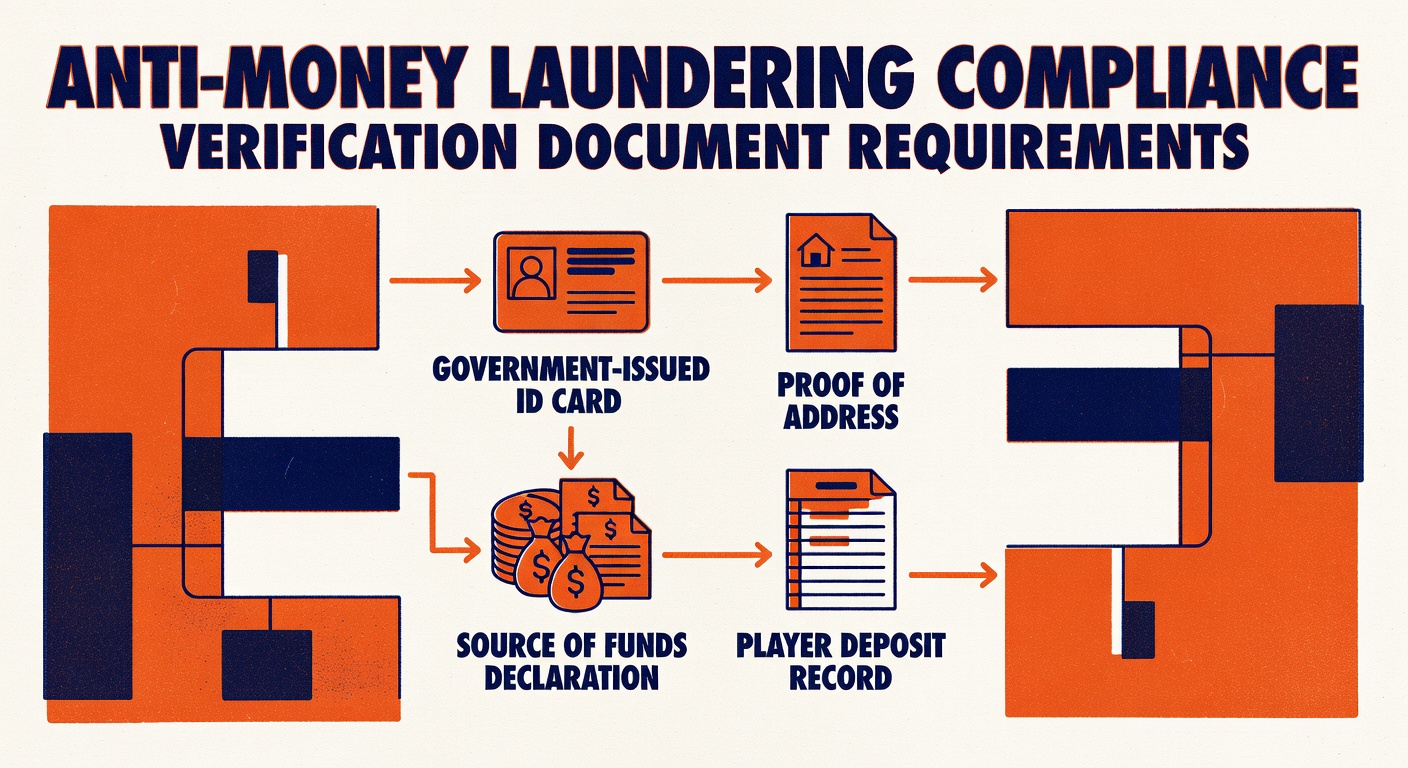
Casinos are classified as "financial institutions" under AML law. This classification carries specific obligations. They must conduct Customer Due Diligence (CDD) at account opening. They must verify identity through government-issued documentation. For customers presenting high-risk profiles (high-value deposits, unusual geographic location, rapid fund movement), they must conduct Enhanced Due Diligence (EDD), which includes source verification.
Source of funds can be verified through payslips, bank statements, tax returns, property deeds, or employment letters. A casino will request documentation appropriate to the declared source. If you claim the money came from employment, provide payslips and recent bank statements showing deposits. If the money came from a gift, provide a gift letter from the donor and their documentation. If it came from sale of an asset, provide purchase records and sale receipts.
The obligation exists because AML law aims to prevent the proceeds of crime flowing through financial systems. A person might launder money from drug trafficking or corruption by depositing it into a casino, gambling it away, and withdrawing winnings that now appear to have a legitimate source (casino payouts). To prevent this, casinos must verify that deposits represent clean funds.
What Casinos Are Looking For
Casinos use the source documentation to create an audit trail. If regulatory auditors later ask "where did this customer's $100,000 deposit come from," the casino can point to verified documentation. The casino is not making a moral judgment about your money. They are building a paper chain that demonstrates they performed due diligence.
This means providing documentation requires accuracy. If you claim the money came from bonus payments at work, but your tax returns show employment income significantly lower, the casino will flag the discrepancy. If you claim retirement savings but the bank statements show the funds were transferred from an account you do not own, the casino will request additional explanation. The documentation must cohere.
Some casinos conduct automatic background checks. A third-party service checks your name against sanctions lists (OFAC list in the US, EU sanctions lists, UN lists). If your name matches a sanctioned individual, the casino must decline you regardless of source documentation. This happens rarely but does happen, especially if you have a common name or share a name with someone sanctioned.
The Process in Practice
A casino may request source documentation at account opening if you indicate a large deposit. Alternatively, they may onboard you normally and request documentation only after you attempt a large withdrawal. Withdrawals trigger additional review because casinos must verify that the withdrawn funds represent legitimate casino payouts or original deposits, not proceeds of additional criminal activity internal to the casino.
The documentation request is not optional. If you refuse to provide it, the casino will close your account and forfeit any balance above a certain threshold. The threshold varies by jurisdiction and casino policy, but casinos are required by law to close accounts where customers refuse AML verification.
Timelines and Escalation
Once you submit documentation, the casino has a specified period to review it, typically 5-10 business days. During this period, your account may be restricted: you can deposit but not withdraw. If the documentation is insufficient, the casino will request additional materials. You have a specified time to respond, typically 7-14 days. If you do not respond, the account is closed.
If the casino suspects the source documentation is fraudulent, they are obligated to file a Suspicious Activity Report (SAR) with their national financial crime agency. This report does not require proof of crime, only reasonable suspicion. A SAR on your account is not a determination of guilt, but it creates a record that may affect your ability to open accounts at other financial institutions.
The entire process is designed to be friction for bad actors while being routine for legitimate players. A person with clean funds and legitimate employment will provide documentation without hesitation. A person with unclear or illegitimate source will have difficulty producing coherent documentation. This self-sorting is intentional.