Casino floors carry stories that stretch back centuries.
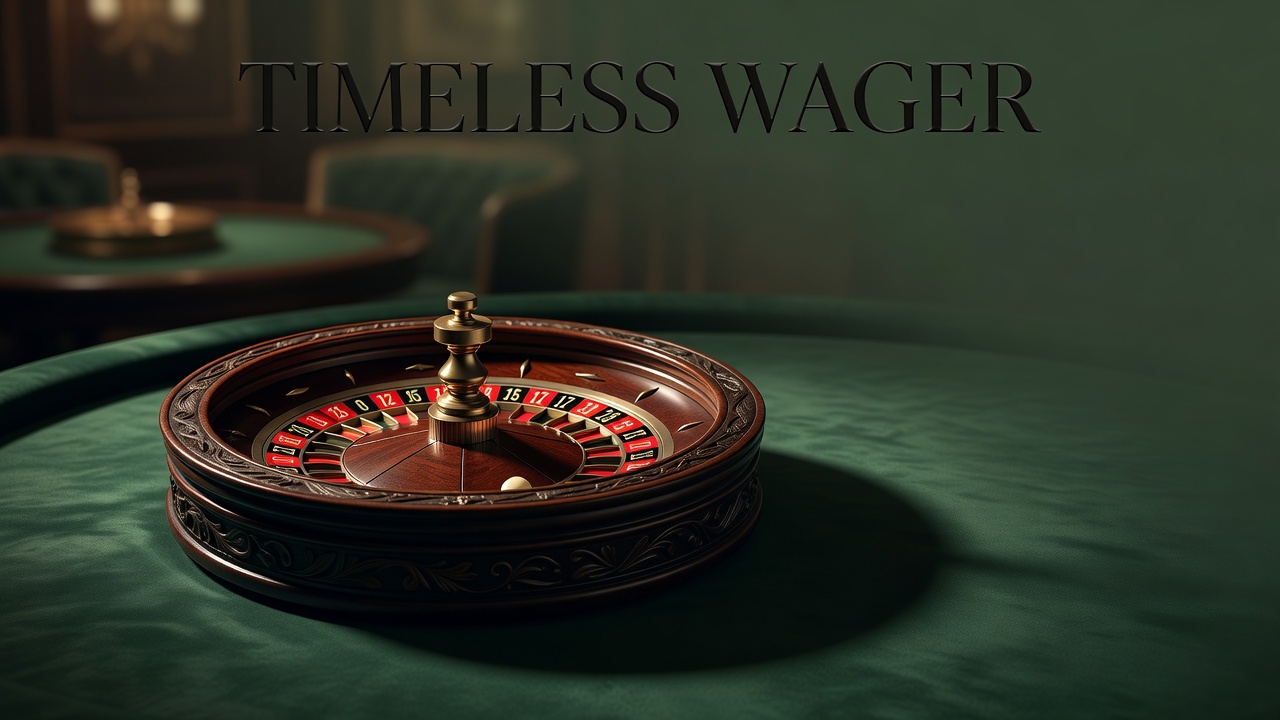
Roulette traces its wheel to 17th-century experiments by Blaise Pascal. The game took its single-zero form in French houses before crossing to America with an added zero.
Early Wheel Experiments
Pascal tested perpetual-motion ideas in the 1600s. French gambling rooms later shaped the recognizable version. The name itself means little wheel. That layout spread across Europe first, then reached U.S. floors in double-zero style. A game born partly from a maths experiment became one of the most iconic images of the casino floor.
The First Slot Machine
Charles Fey built the Liberty Bell in 1890s San Francisco. The three-reel design paid out automatically and used symbols that became standard. Fruit icons followed, then electromechanical versions, and finally video slots. One mechanic's device set the pattern for the most common game on casino floors today.
Las Vegas Strip Beginnings
Nevada legalized gambling in 1931. A railroad town turned into resort hotels through the 1940s and 1950s. The Strip added headline entertainment and dining to the tables. Later decades brought themed mega-resorts that replaced earlier neon rooms. Las Vegas grew from a small desert town into a global entertainment capital across just a few decades.
Online Casinos in the 2000s
Internet connections reached homes in the mid-1990s. Licensed sites scaled through the next decade with faster payments and clearer rules. Player protections and responsible-gambling tools grew alongside the expansion. The move online reshaped how people access casino games and made player protection a central issue.
Games on Screen
Baccarat sits at the center of James Bond scenes. Poker and blackjack drive many heist plots. These films dramatize risk and glamour without showing actual odds. On screen the casino is pure drama, thrilling to watch, but never a realistic guide to how the games actually pay.
Mobile and Live-Dealer Shift
Smartphones put tables in pockets during the 2010s. Live-dealer streams added real hosts dealing cards in real time. The format keeps the social element while letting players set their own session limits. Technology keeps bringing the games closer to players.
The documented eras line up as follows.
- 17th-18th c. France: roulette wheel
- 1890s San Francisco: first slot
- 1931-1950s Nevada: Strip resorts
- Late 1990s-2000s: online growth
- 20th c. onward: film portrayals
- 2010s-present: mobile and live streams
Each change kept the core draw while moving the games closer to new audiences. What remains constant is the way these formats continue to draw players into the same basic loop of chance and decision.