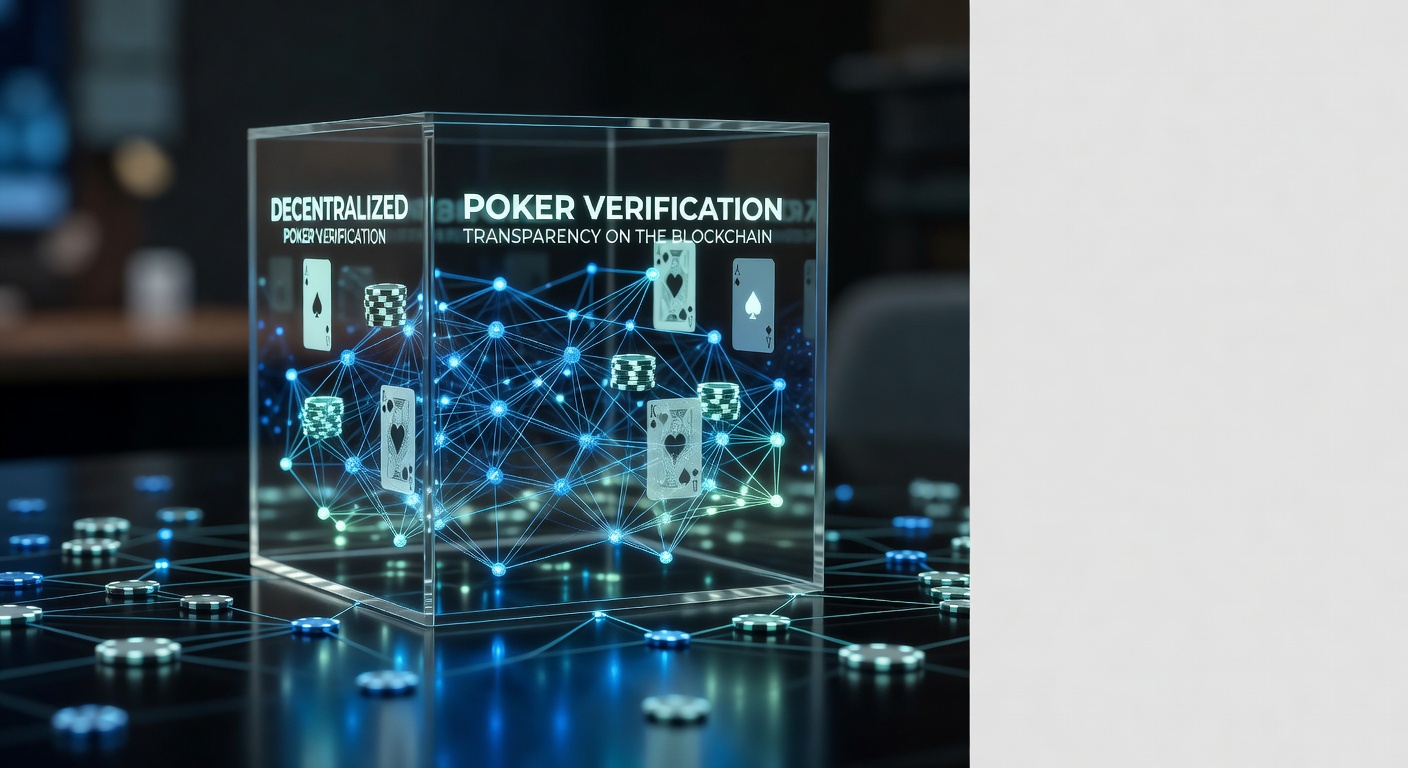
A blockchain poker platform has no central authority. Players fund their own wallets. Smart contracts execute the game rules. No casino, no rake extraction, no account closures, no compliance departments. The pitch sounds perfect. The reality is more complicated.
Blockchain poker solves one problem: trust in the platform. A traditional poker room might cheat. They control the cards. They control the rake. They control who wins and loses. A blockchain poker room cannot cheat in that way. The game rules are in code. The outcomes are verifiable on-chain. The house cannot manipulate the deck.
But solving trust in the platform creates new problems.
The Liquidity Problem
A blockchain poker room is only valuable if it has liquidity: enough players that you can find a game. Traditional poker rooms have millions of players. Blockchain rooms have thousands. This means finding a game is harder. The games that do form are softer (less experienced players) or harder (everyone is skilled because skilled players need to hunt for games).
Best poker rooms use volume to create stable conditions. More players means better game selection, tighter games at high stakes, softer games at low stakes. Blockchain rooms cannot achieve this. The player bases are too fragmented.
The Regulatory Problem
Blockchain poker exists in jurisdictional gray areas. Is it gambling? Is it currency speculation? A regulator looks at blockchain poker and sees unregulated gambling in their jurisdiction. The platform might be decentralized, but the players are located. The players have addresses. The regulators have tools to shut down the operation.
This is why blockchain poker never achieved mainstream adoption. It promised freedom from regulation. Regulation caught up. Now blockchain poker rooms are either operating illegally or in Curaçao-licensed models (which defeat the purpose of decentralization).
The UX Problem
Using blockchain poker requires understanding wallets, gas fees, transaction times, smart contract interaction. A casual player wants to download an app and play. Blockchain poker requires technical knowledge. This self-selects for technically sophisticated players, which means the rooms attract a narrow demographic.
Evolution in blockchain UX might solve this eventually. But so far, no project has made blockchain poker as simple as PokerStars. Until they do, adoption will be limited to crypto natives.
What Actually Works
Blockchain poker works when it solves a real problem. Provably fair outcomes are valuable in markets where cheating is endemic (certain jurisdictions in Asia). Instant settlement is valuable when traditional banking is slow or unavailable. Player ownership is valuable when platforms have exploited players.
But these are niche use cases. In developed markets with strong poker platforms and fast banking, blockchain poker is solving problems that do not exist.
The Likely Future
Blockchain poker will never replace traditional poker rooms in developed markets. But it will persist in markets where traditional rooms are unavailable or untrustworthy. It will grow during periods of blockchain hype and shrink during periods of crash. It will always have a user base that prefers the structure of blockchain to the structure of centralized platforms.
The interesting question is not whether blockchain will replace traditional poker. It will not. The question is whether traditional rooms will adopt blockchain elements (provably fair systems, player asset ownership, decentralized governance) to stay competitive. So far, they have not. But the pressure is mounting.